Leave Your Message
0%

So, the kiosk market in 2026 is really heating up, and now Kiosk Metal Housingisn’t just about looking good—it’s a big deal when it comes to durability, security, how easy it is to maintain, and even how customers perceive your brand. According to Grand View Research, the global self-service kiosk market hit around USD 28.34 billion in 2023. They’re also predicting an impressive 8.9% annual growth rate from 2024 to 2030. Those numbers scream one thing: demand’s definitely on the rise. But here’s the thing—those stats don’t really tell us who the best Metal Housing suppliers are, and honestly, that’s pretty important.

That’s a gap we shouldn’t ignore.

Meanwhile, MarketsandMarkets is also expecting continued growth in interactive kiosks across industries like retail, healthcare, transportation, and public services. In these sectors, it’s not enough to just have a tough metal shell. Suppliers need to offer precise fabrication, good ventilation control, vandal-resistant finishes, smart cable setups, and a reliable production process. Frank Mayer, who's been around the kiosk scene for ages, sums it up well: “A successful kiosk isn’t just about the hardware; it’s about reliable engineering combined with a great user experience.” That’s pretty much the rule of thumb when you’re comparing different suppliers heading into 2026.

For this ranking, I’m taking a down-to-earth, evidence-based approach. We’re talking material choices, manufacturing tolerances, how customizable the enclosures are, powder-coating quality, thermal design, certifications, delivery track record, and after-sales service. And hey, transparency from the supplier matters too. Having a shiny website doesn’t necessarily prove they’ve got the factory capacity or expertise.

Now, I should mention that some market data is pretty broad and tends to lump everything together—public reports rarely break out Kiosk Metal Housing as a separate category. That’s a bit of a limitation, so we need to dig a little deeper. That’s why this guide’s mixing market research, hands-on manufacturing experience, supplier info, and what buyers should really be looking for. Whether a company is big or small doesn’t always tell you everything. Sometimes, a smaller specialist can offer better engineering support and faster tweaks. But of course, that all needs to be confirmed with samples, inspection reports, and references from customers to make sure you’re making the right call.
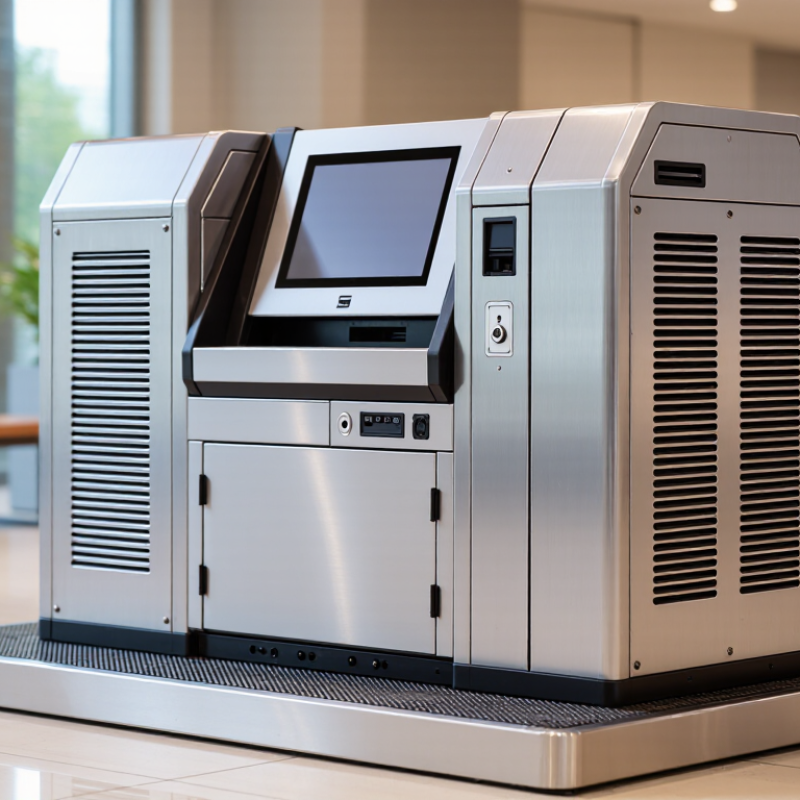
What Are the 2026 Top Kiosk Metal Housing Suppliers?

What Is a Kiosk Metal Housing and Why Does It Matter?

A kiosk metal housing is the protective shell around the screen, computer, payment module, printer, and wiring. It must manage impact, heat, dust, vibration, and daily cleaning. The structure also affects installation speed and maintenance access. A poorly designed panel can turn a simple repair into a long service visit.

Demand is rising with kiosk deployment. Grand View Research valued the global self-service kiosk market at approximately USD 28.3 billion in 2022 and forecast a 9.1% compound annual growth rate from 2023 to 2030. That growth increases pressure on housing suppliers to deliver repeatable quality, not only attractive enclosures. In practice, technicians often inspect door alignment, fastener access, cable paths, grounding, and ventilation before approving a unit.

Material choice needs restraint. Steel offers strong impact resistance and cost control, while aluminum reduces weight and supports easier transport. However, thin metal may flex around hinges or touchscreen openings. Not always better. IEC 60529 ingress ratings also remind buyers to verify tested protection levels, rather than trusting vague “dustproof” claims. A dependable supplier should provide drawings, coating specifications, dimensional tolerances, sample testing, and traceable inspection records. The best housing is not simply heavy. It fits the electronics, survives real handling, and allows a tired technician to work quickly. That last detail is often overlooked.

Which Criteria Define the Top Kiosk Metal Housing Suppliers in 2026?

The top kiosk metal housing suppliers in 2026 will be judged by more than price. Their value appears in repeatable fabrication, accurate documentation, and dependable support after delivery. I have found that a supplier’s first sample reveals much. Check panel gaps, weld consistency, corner alignment, and door movement. A housing may look polished yet fail during daily use.

Material control remains essential. Suppliers should clearly identify steel or aluminum grades, sheet thickness, coating systems, and corrosion protection. For indoor kiosks, a durable powder coating may be enough. Outdoor units need stronger moisture resistance, sealed joints, and suitable drainage paths. Ask for test records, not attractive promises. Independent inspection can verify coating thickness, grounding continuity, load capacity, and enclosure protection claims.

Manufacturing experience also separates reliable suppliers from temporary workshops. Strong teams use controlled drawings, revision tracking, fixture-based welding, and measurable inspection points. They can explain realistic tolerances and production lead times. They should also protect sensitive components with clean edges and carefully placed mounting points. Small details matter.

No supplier gets everything right. I once saw a well-built housing with poor cable access, creating unnecessary service delays. That mistake was avoidable. The best suppliers welcome design feedback, provide pre-production samples, and correct problems without hiding them. Review their factory records, worker training, quality procedures, packaging methods, and replacement process. A trustworthy supplier communicates clearly when a deadline, material, or design assumption needs revision.

What Defines the Top Kiosk Metal Housing Suppliers in 2026?

Industry evaluation framework based on the criteria most relevant to kiosk enclosure sourcing, manufacturing, and deployment.

Quality systems and production consistency carry the highest weighting, followed by material and fabrication capability, customization, delivery reliability, sustainability, and after-sales support. The percentages represent evaluation priorities rather than rankings of individual companies.

What Manufacturing Capabilities Should Buyers Compare?

When comparing 2026 kiosk metal housing suppliers, buyers should inspect manufacturing capabilities rather than rely on polished catalogs. An experienced supplier should explain material choices, production limits, and inspection methods clearly. Ask whether the factory handles stainless steel, aluminum, and coated carbon steel. Each material behaves differently during bending, welding, and finishing.

Look closely at equipment and process control. Laser cutting should produce clean edges around screen openings and card-reader slots. CNC forming should maintain consistent angles across repeated panels. Welding quality matters near doors, hinges, and ventilation sections. Request sample measurements, not general tolerance claims. A reliable supplier can provide first-article reports, coating thickness records, and traceability for each production batch. Small details matter.

For an OEM Kiosk Metal Housing project, compare prototyping speed with mass-production stability. A factory may build an attractive sample but struggle with warped panels later. This happens. Ask how engineers prevent it through fixtures, welding sequences, and design-for-manufacturing reviews. Check assembly testing with locks, displays, cables, and cooling fans installed. Packaging also deserves attention; sharp corners need protection during shipment. I would still challenge every quoted tolerance, because real production conditions can expose assumptions that drawings hide.

How Do Leading Suppliers Support Custom Kiosk Housing Designs?

In 2026, leading kiosk metal housing suppliers compete through customization, not just steel thickness. Grand View Research reported that the global interactive kiosk market could grow at an 11.5% CAGR from 2024 to 2030. That growth increases demand for durable, adaptable enclosures.

An experienced supplier begins with the kiosk’s environment. Indoor units may use powder-coated steel, while outdoor models need sealed joints, drainage paths, and corrosion-resistant finishes. ODM Kiosk Metal Housing programs often include 3D drawings, sample panels, and low-volume prototypes. Engineers can adjust screen cutouts, payment modules, ventilation slots, and cable routes before tooling starts. Small details matter. A misplaced vent can collect dust.

MarketsandMarkets estimated the self-service kiosk market would reach approximately 41.2 billion dollars by 2028, with hardware remaining a major segment. This supports stronger demand for modular housing designs and repeatable manufacturing. Reliable suppliers document metal thickness, weld quality, coating adhesion, and dimensional tolerance. They also test hinges, locks, thermal airflow, and repeated customer contact. IEC 60529 ingress ratings can guide protection against dust and water, but certification claims require actual testing.

A polished drawing is not enough. In practical evaluations, suppliers sometimes underestimate service access behind the display. That mistake becomes expensive after installation. Design reviews should include maintenance staff, not only product designers. The honest weakness is that customization can increase cost and lead time, especially when every opening becomes unique. Standardized internal brackets often reduce that risk.

Which Materials, Finishes, and Protection Standards Are Available?

When evaluating 2026 top kiosk metal housing suppliers, material choice should match the kiosk’s environment. Stainless steel 304 suits indoor terminals and sheltered entrances. Stainless steel 316 offers better resistance near saltwater, cleaning chemicals, and humid coastal air. Aluminum reduces weight, which helps wall-mounted or mobile kiosk designs. Galvanized steel can control costs, but exposed cut edges need careful treatment.

A Custom Kiosk Metal Housing usually requires more than basic sheet-metal forming. Ask how suppliers control welding distortion, corner alignment, and door gaps. A 1.5 mm panel may look rigid in a sample, yet vibrate after installing a screen, printer, and payment module. I have seen this overlooked. Small details matter.

Finishes include powder coating, wet painting, brushed stainless steel, and anodizing. Powder coating provides many colors and a durable surface, but damaged edges can still corrode. Anodized aluminum gives a clean architectural appearance, though deep scratches may remain visible. Request salt-spray data, coating thickness records, and adhesion testing.

Protection standards should be specified clearly. IP ratings under IEC 60529 address dust and water entry. IK ratings under IEC 62262 indicate impact resistance. A kiosk placed beside a busy walkway may need stronger impact protection than an indoor lobby unit. NEMA classifications can add useful enclosure guidance for North American projects. However, ratings only apply to tested configurations. Cable glands, locks, vents, and display seals can weaken real-world protection. Examine the complete assembly, not only the metal shell.

What Are the 2026 Top Kiosk Metal Housing Suppliers? - Which Materials, Finishes, and Protection Standards Are Available?

Anonymous, non-ranked supplier capability comparison for kiosk metal housing procurement. Availability depends on the project specification, tooling, production volume, and required certification.
Supplier Profile Typical Housing Materials Common Fabrication Processes Available Finishes Ingress Protection Options Impact Protection Typical Applications Key Selection Considerations
Profile A
Indoor sheet-metal specialist
Cold-rolled carbon steel; galvanized steel for improved corrosion resistance; aluminum 5052 for lightweight panels. CNC laser cutting, CNC bending, spot welding, MIG welding, PEM fasteners, and assembly. Polyester powder coating, wet paint, zinc plating for selected hardware, and brushed or bead-blasted aluminum. IP20 to IP54 when seams, doors, cable entries, and gaskets are correctly designed and tested. IK06 to IK08 configurations may be engineered using thicker panels, reinforced doors, and suitable locks. Retail self-service, visitor check-in, queue management, ticketing, and indoor payment kiosks. Best suited to controlled indoor environments where cost, appearance, and short production lead times are priorities.
Profile B
Outdoor powder-coating specialist
Galvanized steel, aluminum 5052, aluminum 6061 for structural parts, and stainless steel 304 for selected exposed components. Laser cutting, press-brake forming, TIG/MIG welding, structural reinforcement, gasket-channel forming, and drainage design. Exterior-grade powder coating, zinc-rich primer systems, anodizing for aluminum, and textured or low-gloss finishes. IP54, IP55, IP65, or equivalent enclosure designs based on verified sealing and test configuration; NEMA 3R or NEMA 4 may also be specified where applicable. IK08 to IK10 designs are possible with reinforced panels, protected displays, impact-resistant glazing, and tamper-resistant hardware. Outdoor information, parking payment, transit, municipal service, and drive-up self-service kiosks. Confirm UV resistance, salt-spray performance, operating temperature, condensation control, roof design, and drainage details.
Profile C
Stainless-steel hygienic enclosure specialist
Stainless steel 304 for general environments; stainless steel 316 or 316L for coastal, chemical, or food-service exposure. Precision laser cutting, TIG welding, continuous seam welding, grinding, polishing, and formed sanitary corners. No. 4 brushed finish, satin finish, bead blasting, electropolishing, and passivation after fabrication. IP65 to IP66 designs are commonly achievable when enclosure joints, latches, cable glands, and viewing windows are properly sealed. IK08 to IK10 options can be incorporated through thicker stainless panels and reinforced access doors. Food-service ordering, healthcare check-in, laboratory environments, coastal locations, and high-cleanliness installations. Specify weld finish, crevice reduction, cleaning chemicals, chloride exposure, and the required stainless-steel grade.
Profile D
Aluminum lightweight enclosure specialist
Aluminum 5052 sheet for formed panels, aluminum 6061 for machined or structural components, and aluminum extrusion systems. CNC machining, laser cutting, bending, TIG welding, extrusion cutting, bonded assemblies, and mechanical fastening. Anodizing, powder coating, brushed aluminum, chemical conversion coating, and two-tone cosmetic finishing. IP54 to IP65 designs are available depending on the panel architecture, gasket system, and cable-entry treatment. IK06 to IK08 is typical for lightweight designs; higher ratings require structural reinforcement and protected components. Portable kiosks, modular retail units, airport terminals, smart lockers, and installations with strict weight limits. Evaluate galvanic corrosion, thermal expansion, heat dissipation, wall thickness, and transport durability.
Profile E
High-security and tamper-resistant specialist
Heavy-gauge carbon steel, galvanized steel, stainless steel 304/316, and reinforced aluminum assemblies. Robotic or manual welding, folded monocoque construction, concealed hinges, security fasteners, anti-pry door design, and internal reinforcement. Anti-graffiti powder coating, textured powder coating, outdoor polyester coating, stainless brushing, and protective clear coats. IP55 to IP66 configurations may be engineered; NEMA 4 or NEMA 4X can be specified when the complete enclosure is evaluated to the applicable requirements. IK09 to IK10 designs may be available for protected displays, doors, locks, and structural panels. Unattended payment, public transit, outdoor banking, industrial control, and high-risk public locations. Review attack methods, lock grade, hinge protection, glazing type, anchoring, service access, and maintainability.
Profile F
Integrated OEM enclosure and compliance specialist
Carbon steel, galvanized steel, aluminum 5052/6061, stainless steel 304/316, and mixed-material assemblies. Design for manufacturability, rapid prototyping, sheet-metal fabrication, machining, welding, electronics integration, and final assembly. Powder coating, wet paint, anodizing, brushed stainless steel, silk-screened markings, and custom color matching. IP54 to IP66, with project-specific testing under IEC 60529; NEMA enclosure types may be selected according to the installation requirement. IK08 to IK10 can be designed and verified under IEC 62262 where the complete housing and vulnerable components are included in the test scope. Large kiosk programs requiring repeatable production, integrated electronics, field service planning, and documentation. Request drawings, inspection plans, material certificates, coating data sheets, test reports, and change-control procedures.
Standards note: IP ratings are defined by IEC 60529, while IK impact ratings are defined by IEC 62262. NEMA enclosure types are not direct one-to-one equivalents of IP ratings. A supplier should provide test evidence for the complete kiosk housing, including doors, windows, ventilation, cable glands, locks, and mounting interfaces.

How Can Businesses Evaluate Pricing, Quality, and Delivery Reliability?

When comparing 2026 kiosk metal housing suppliers, businesses should examine pricing, quality, and delivery reliability together. A low quote may exclude tooling, surface treatment, packaging, or prototype revisions. Request detailed Kiosk Metal Housing Quotes with material grade, sheet thickness, tolerances, and inspection costs clearly listed. Experienced buyers should compare the complete landed cost, not only the unit price.

Quality becomes visible in small details. Check whether doors align smoothly, vents have clean edges, and mounting holes match your equipment. Ask for material certificates, dimensional reports, coating samples, and photographs from recent production. A reliable supplier should explain its welding process and corrective-action method. Factory audits or independent inspections can strengthen confidence. Still, certificates do not replace practical testing. A sample may reveal problems hidden in a polished document.

Tips: Build a delivery scorecard. Record prototype dates, approval changes, production milestones, and shipment performance. Confirm lead times in writing, including holidays and raw-material delays. Ask how the supplier handles rejected parts or sudden design changes. Use a small pilot order before committing to large volumes. This costs more initially, but it can expose weak communication early. I have found that unclear drawings often cause more delays than metal shortages. That is easy to overlook. Compare at least three suppliers, yet avoid choosing by price alone. A slightly higher quote may include stronger packaging, better inspection, and fewer field repairs.

Monitor Machine Metal Chassis from China: Custom Fabrication Trends—Grand View Research & MarketsandMarkets Insights

Monitor machine metal chassis manufacturing in China is increasingly shaped by customization, compact design, and dependable production efficiency. As equipment makers seek stronger protection, better heat management, and flexible installation options, sheet metal enclosures are being developed around precise dimensions and application-specific requirements. SGCC steel offers durability and practical cost control, while aluminum supports lightweight construction and effective thermal performance. Stainless steel is also available for projects requiring enhanced corrosion resistance and a refined surface appearance.

A capable Chinese fabrication factory can support the complete process, from design review and precision laser cutting to bending, welding, surface treatment, and final assembly. Dedicated painting facilities make it possible to maintain consistent finishes even for low-quantity or prototype orders, helping customers test new chassis concepts without committing to large production volumes. By sharing drawings, 3D models, or technical specifications, buyers can receive a tailored solution for monitor machine housings, control cabinets, and related equipment enclosures. Careful inspection throughout production helps ensure accurate dimensions, clean edges, reliable mounting points, and a professional finish suitable for demanding industrial applications.

FAQS

Which metal is suitable for an indoor kiosk?

Stainless steel 304 suits indoor terminals and sheltered entrances. It offers a stable, clean-looking enclosure. Aluminum works when lower weight matters.

When should a supplier use stainless steel 316?

Choose stainless steel 316 near saltwater, humid coastal air, or strong cleaning chemicals. It provides better corrosion resistance. The extra cost may be justified.

Is aluminum suitable for wall-mounted kiosks?

Yes. Aluminum reduces enclosure weight, helping wall-mounted and mobile designs. Anodizing can create a clean architectural finish. Deep scratches may remain visible.

What problems should buyers check in a metal housing?

Check welding distortion, corner alignment, door gaps, and panel vibration. A 1.5-millimeter panel may vibrate after equipment installation. Small details matter.

Which finishes are commonly available?

Common choices include powder coating, wet painting, brushed stainless steel, and anodizing. Powder coating offers many colors and a durable surface. Damaged edges can still corrode.

How can buyers verify coating performance?

Request salt-spray results, coating thickness records, and adhesion testing. Inspect scratches and exposed edges on samples. Documents help, but physical testing matters more.

What do IP and IK ratings tell buyers?

IP ratings address dust and water entry. IK ratings indicate impact resistance. A kiosk beside a busy walkway may need stronger impact protection.

Do enclosure ratings protect the complete kiosk?

Not always. Cable glands, locks, vents, and display seals can weaken real-world protection. Examine the assembled kiosk, not only the metal shell. I sometimes trust ratings too quickly.

How should businesses compare supplier prices?

Compare landed costs, not unit prices alone. Check tooling, finishing, packaging, prototypes, revisions, and inspection fees. A low quote may hide important costs.

How can buyers test delivery reliability?

Use a small pilot order before larger production. Track prototype dates, approvals, milestones, and shipment performance. Clear drawings prevent many delays. This is easy to overlook.

Conclusion

A Kiosk Metal Housing is the protective structural enclosure that supports a kiosk’s components, secures internal hardware, and shapes the user’s overall experience. In 2026, the top suppliers are distinguished by engineering expertise, consistent production quality, accurate fabrication, and the ability to meet project-specific requirements. Buyers should compare capabilities such as laser cutting, CNC bending, welding, assembly, prototyping, and quality inspection, while also evaluating production capacity and communication efficiency.

Leading suppliers support custom kiosk housing designs through flexible dimensions, mounting configurations, ventilation solutions, access panels, and branding-ready surfaces. Available options may include steel, stainless steel, aluminum, and specialized alloys, along with powder coating, brushed finishes, paint, and corrosion-resistant treatments. Protection features can include weather resistance, impact durability, secure locking systems, and appropriate ingress protection levels. Businesses should assess total pricing rather than unit cost alone, considering tooling, finishing, testing, packaging, and shipping. Reliable delivery depends on transparent schedules, stable material sourcing, documented quality controls, and responsive after-sales support.

Lydia

Lydia

Lydia is a dedicated marketing professional at Dongguan Changjian Electronics Co., Ltd. (New Website II), where she plays a vital role in promoting the company’s innovative products. With a deep understanding of the electronics industry, Lydia excels in crafting informative and engaging blog posts......
Previous What Is Precision Sheet Metal and How Is It Used?