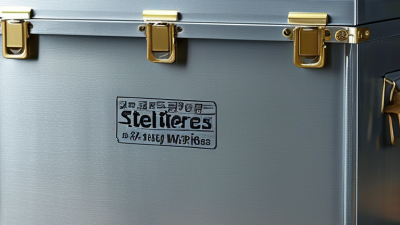
Choosing the best Metal Storage Bins starts with the material, not the lowest price. A bin holding steel fasteners faces different demands from one storing food-grade components, tools, or maintenance supplies. Metal thickness, coating, load rating, access design, and corrosion resistance all affect daily performance.
Industry data supports this careful approach. Grand View Research’s 2024 material handling equipment analysis identifies storage efficiency, workplace organization, and durable handling systems as continuing industrial priorities. Mordor Intelligence’s 2024 warehouse automation research also links better storage design with faster picking and improved space utilization. These reports examine wider equipment markets, not every bin specification. That limitation matters.
There is no universal “best” bin. It depends on location, load, movement, and exposure. A powder-coated steel bin may suit a dry workshop with labeled shelves. Stainless steel may perform better near moisture, cleaning chemicals, or strict hygiene requirements. For heavy parts, reinforced corners and tested stacking capacity deserve close attention. Small details count. A sharp rim can damage gloves. A weak handle can slow production.
This guide compares common metal bin types through practical criteria, including strength, visibility, maintenance, ergonomics, and lifecycle value. It also considers guidance from organizations such as OSHA and the American Society of Mechanical Engineers, where safe handling and equipment design are relevant. Buyers should still verify manufacturer test results and site conditions. Marketing claims can sound impressive. Real performance requires evidence.
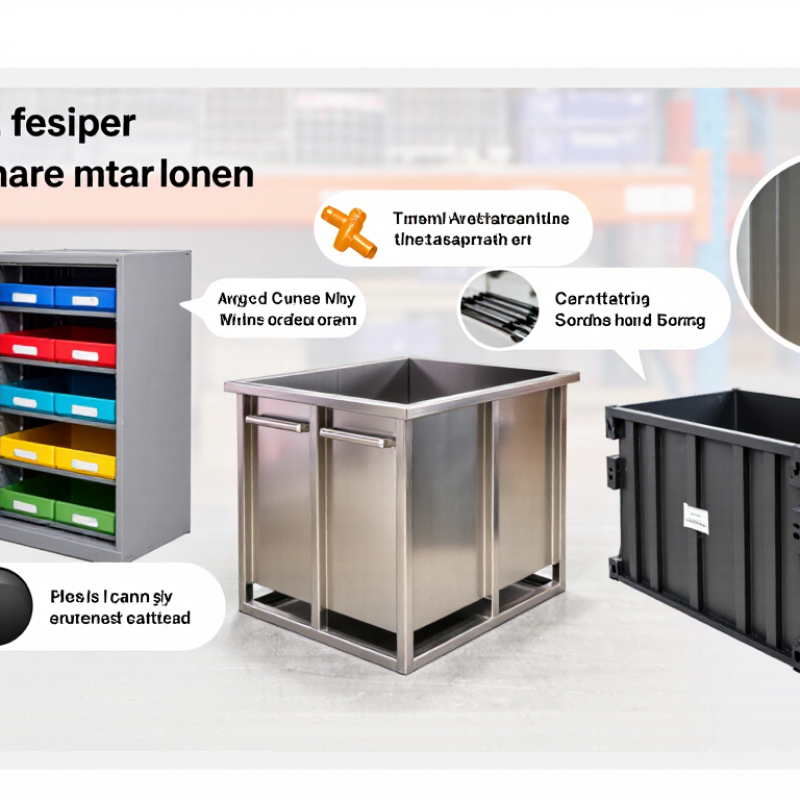
Metal Storage Bins are rigid containers designed to hold, organize, and protect materials in demanding environments. They are commonly made from steel, stainless steel, or aluminum. Each material offers different strength, weight, and resistance to moisture. Unlike plastic containers, metal bins usually tolerate heat, impact, and repeated handling better.
That definition sounds simple.
Core performance depends on structure, not appearance alone. A useful bin should have stable walls, a reinforced base, and edges that resist bending. Smooth internal surfaces make cleaning easier and reduce trapped dust. Ventilation holes can improve airflow when stored materials need dry conditions. A coated surface may slow corrosion, but it still requires inspection after scratches or heavy use.
For OEM Metal Storage Bins, dimensions and load requirements should be confirmed before production. A sample unit can reveal problems that drawings miss, such as sharp corners or handles placed too close together.
That step matters.
Stackable designs save floor space, while label holders improve daily identification. However, metal is not perfect. It can dent under severe impact and may become heavy when fully loaded. In my experience, users often choose oversized bins, then struggle with movement and access.
A reliable specification records capacity, wall thickness, finish, handle strength, and cleaning needs. Small details matter.
Choosing the best metal storage bin starts with its structure, not its appearance. A stackable bin uses reinforced rims and flat bases to form stable vertical columns. It suits warehouses, workshops, and spare-part rooms where floor space is limited. Some models include nesting legs, while others need a separate rack. That difference matters. A lidded bin protects contents from dust and occasional moisture. Hinged lids are convenient, but they can reduce access when bins sit closely together. Removable lids allow wider openings and faster picking.
Drawer-style metal bins divide small components into visible compartments. Their front labels and smooth runners support frequent inventory checks. However, overloaded drawers may tilt or jam. A modular frame can improve alignment.
Hopper-front bins have open angled faces, so workers can reach fasteners without lifting the container. They are practical for assembly lines, though loose items may spill if the front edge is too low.
Wire-mesh bins provide airflow and visibility. They work well for dry goods, but fine particles can pass through the mesh.
Material selection changes the bin’s service life. Painted carbon steel offers strength for general indoor storage. Galvanized steel handles damp areas better, while stainless steel is easier to clean around sensitive equipment. Welded corners usually resist heavy use, but poor seams can collect water and rust.
Check the base plate, handle joints, caster locks, and stated load rating before purchase. I have found that a slightly oversized bin is not always safer; unused space encourages careless stacking. Measure the shelf, aisle, and hand clearance carefully. Small errors become daily frustrations.
What Is the Best Type of Metal Storage Bin?
The best metal storage bin depends on its environment, load, and expected service life. Steel is a practical choice for workshops and warehouses because it handles heavy tools and repeated use. Thicker steel resists dents, but it also adds weight and transport costs. Stainless steel suits damp rooms, food-handling areas, and cleaning zones. Its chromium content helps resist corrosion, although surface scratches still need attention. Aluminum is lighter and easier to move. However, it may bend under concentrated loads. Galvanized steel offers a protective zinc layer for humid spaces, but cut edges can remain vulnerable.
Construction details matter as much as the base metal. Check the sheet thickness, folded corners, weld quality, and reinforcement points. Smooth interiors reduce snagging when workers remove small parts. Powder coatings can improve wear resistance, but poor surface preparation may cause peeling. ODM Metal Storage Bins can be specified with different materials, handles, dividers, and stacking features. The right specification should follow actual use, not appearance alone. I have seen attractive bins fail because their bottoms flexed under dense hardware. That mistake is easy to overlook.
Tips: Match the material to moisture, weight, and cleaning conditions. Test a sample with the heaviest intended load. Inspect corners and seams closely. Do not rely only on coating thickness. Consider repair access, noise, and hand comfort during daily handling. A lighter bin may improve productivity, yet excessive lightness can reduce stability. This balance deserves careful review.
| Material Type | Typical Construction | Corrosion Resistance | Strength and Load Performance | Typical Weight | Temperature Capability | Best-Suited Applications | Key Limitations |
|---|---|---|---|---|---|---|---|
| Carbon Steel | Cold-rolled or hot-rolled steel sheet, commonly formed by bending, welding, or stamping. Typical sheet thickness: approximately 0.8–3.0 mm, depending on bin size and load requirements. | Low without coating Requires paint, powder coating, galvanizing, or another protective finish in humid or corrosive environments. | Very high Provides strong resistance to impact, stacking, abrasion, and deformation when properly designed. | High compared with aluminum; density is approximately 7.85 g/cm³. | Suitable for ordinary industrial temperatures. Coatings and welding methods may limit performance at elevated temperatures. | Heavy-duty warehouse bins, machine shops, maintenance areas, automotive parts, tools, and bulk components. | Can rust when the protective finish is damaged or when exposed to moisture, salts, or chemicals. |
| Galvanized Steel | Carbon steel coated with zinc, typically by hot-dip galvanizing or electrogalvanizing. The zinc layer provides sacrificial protection. | Good Offers better resistance to outdoor humidity and intermittent wet exposure than untreated carbon steel. | Very high Retains the structural strength of the underlying steel while adding corrosion protection. | High; density of the steel substrate is approximately 7.85 g/cm³. | Suitable for normal industrial and outdoor conditions; prolonged high heat can affect the zinc coating. | Outdoor storage, agricultural parts, construction hardware, service yards, and general industrial storage. | Zinc surfaces can be scratched, stained, or attacked by strong acids and alkalis. Welding requires appropriate ventilation and procedures. |
| Stainless Steel | Corrosion-resistant steel containing at least approximately 10.5% chromium. Austenitic grades such as 304 and 316 are widely used for storage equipment. | Excellent Chromium forms a passive oxide layer; molybdenum-bearing grades generally perform better in chloride-rich environments. | High Good durability and impact resistance, although some grades work-harden during forming. | High; density is commonly about 7.7–8.0 g/cm³, depending on grade. | Generally suitable for a wide temperature range; exact limits depend on grade, fabrication, and surface condition. | Food-processing areas, laboratories, pharmaceutical environments, clean facilities, wet rooms, and corrosive industrial settings. | Higher material and fabrication cost. Chloride deposits, contamination, and poor cleaning can still cause staining or localized corrosion. |
| Aluminum | Formed from aluminum sheet or plate, often by bending, riveting, or welding. Common storage-bin alloys include heat-treatable and non-heat-treatable grades. | Good Forms a protective oxide layer naturally; performance varies with alloy and exposure conditions. | Moderate Lower stiffness and strength than steel, but adequate for many light- and medium-duty bins when reinforced. | Low Density is approximately 2.70 g/cm³, about one-third that of steel. | Good performance in many industrial temperature ranges; strength decreases as temperature rises and depends on alloy. | Portable bins, transportation, aircraft-related maintenance, clean storage, mobile workstations, and weight-sensitive applications. | More susceptible to dents, galling, and surface damage. Contact with certain dissimilar metals can cause galvanic corrosion. |
| Tinplate | Low-carbon steel sheet coated with a thin layer of tin. The steel provides the structural base while tin improves surface protection. | Moderate Provides useful protection for dry indoor storage; exposed or damaged areas may eventually corrode. | Moderate to high Stronger than many thin nonmetallic containers, but generally less robust than heavy-gauge steel bins. | Moderate to high, based on the steel substrate. | Suitable for ordinary indoor storage; coating performance depends on temperature, humidity, and chemical exposure. | Small parts, hardware, packaging, dry goods, craft materials, and light-duty workshop organization. | Not ideal for prolonged outdoor exposure, abrasive handling, or strongly acidic or alkaline contents. |
| Weathering Steel | Low-alloy steel designed to develop a tightly adherent protective patina under suitable atmospheric conditions. | Good in suitable atmospheres Performs best in alternating wet and dry conditions with adequate air circulation. | Very high Retains the structural characteristics of steel and is suitable for rugged applications. | High; density is approximately 7.85 g/cm³. | Suitable for normal outdoor temperatures; design must account for local climate and moisture conditions. | Outdoor equipment storage, landscaping materials, architectural applications, and rugged industrial environments. | May perform poorly in constantly wet, marine, shaded, or chemically contaminated locations. Rust runoff can stain nearby surfaces. |
| Powder-Coated Steel | Carbon steel or galvanized steel covered with a thermoset powder coating that is electrostatically applied and cured. | Good to very good Depends on coating thickness, pretreatment, edge coverage, impact resistance, and maintenance. | Very high Uses the structural strength of steel while adding a durable, colored surface finish. | High; the steel substrate typically has a density of approximately 7.85 g/cm³. | Generally suitable for ordinary industrial use; the coating’s specified service temperature must be checked for high-heat applications. | Warehouses, offices, workshops, retail storage, facilities requiring color coding, and general indoor or sheltered outdoor use. | Chipped or deeply scratched areas can expose the steel. Poor pretreatment may lead to under-film corrosion or coating delamination. |
Material performance depends on sheet thickness, forming method, weld quality, surface treatment, loading pattern, humidity, chemicals, and maintenance conditions.
The best metal storage bin depends on more than its appearance. Strength begins with the steel thickness, frame design, and quality of the welds. A thick wall can still fail if the corners flex under pressure. Check the stated load rating, but treat it as a guide rather than a promise. Real warehouses rarely load bins perfectly. One heavy tool placed against a side panel can create unexpected stress.
Capacity also needs careful comparison. Measure usable interior space, not just the outside dimensions. Handles, folded edges, and sloped walls may reduce storage room. Consider the weight and shape of your items. A deep bin may hold more, but it can make small parts difficult to reach. That is a practical weakness.
Tips: Place a sample load inside the bin before purchasing. Inspect the base for bending, sharp edges, and uneven contact. Ask for test information, including static load limits and surface-treatment details. A powder-coated surface can resist scratches, but damaged areas may still develop rust in humid conditions. Galvanized metal offers useful protection, though its finish can wear around moving parts. Durability also depends on daily handling. Repeated dragging, stacking, and sudden impacts matter. I would not judge a bin after one clean showroom inspection. A six-month trial may reveal loose welds or distorted lids. Sometimes the strongest option is inconvenient. Recheck your priorities.
The best metal storage bin depends on its environment, not its appearance.
In a dry workshop, powder-coated steel bins resist ordinary dust and light abrasion. Choose reinforced rims when workers handle heavy fasteners or tools daily. Smooth internal corners also reduce trapped debris.
According to the World Steel Association’s 2024 World Steel in Figures, global crude steel production reached about 1.89 billion tonnes in 2023. Steel remains widely available, but availability does not guarantee the right grade or finish.
Humidity changes the decision. Warehouses near wash areas, coastal air, or outdoor loading zones need galvanized or stainless steel construction. Drainage holes may help, although they can expose small parts to water and contamination. In temperature-controlled rooms, check condensation risks before selecting Custom Metal Storage Bins.
The U.S. Bureau of Labor Statistics reported approximately 2.6 million nonfatal private-industry workplace injuries and illnesses in 2023. That figure does not prove bins caused injuries, but poor access, overfilled containers, and awkward lifting can increase handling pressure.
For clean production areas, sealed lids and washable surfaces matter more than maximum capacity. For high-temperature workspaces, verify the coating’s temperature limits and avoid plastic liners that soften.
OSHA’s materials-handling guidance stresses stable stacking, clear aisles, and secure storage. Small details matter. A heavy bin placed above shoulder height may be technically stable but practically unsafe.
My selection rule is useful, not perfect: observe the room during a busy shift, then revise the bin specification.
What Is the Best Type of Metal Storage Bin?
Safety, Maintenance, and Long-Term Use Considerations
The best metal storage bin depends on its environment and daily workload. In damp rooms, galvanized steel usually resists surface rust better than untreated steel. Stainless steel suits humid areas, but its higher cost may not suit every budget. Check the bin’s weight rating before storing tools, parts, or dense materials. A bent base can become a serious handling hazard.
Look for smooth edges, stable feet, and a lid that closes without force. Ventilation holes can reduce trapped moisture, especially after temperature changes. Keep bins away from leaking pipes and direct ground contact. I prefer raising them slightly on shelves or pallets. It keeps the underside visible. However, this approach can reduce stability if the shelf is weak.
Maintenance should be simple and consistent. Wipe dust away with a dry cloth, then remove spills quickly. Inspect seams, hinges, handles, and welds every few months. Small orange spots deserve attention before they spread. Use only a suitable protective coating for the metal surface. Mixing cleaning chemicals can damage finishes and create unsafe fumes. I once ignored a loose hinge because the bin still worked. That decision made the lid twist and damaged the rim. Durable storage still needs human judgment.
When comparing Metal Storage Bins Quotes, ask about material thickness, load testing, coating quality, replacement parts, and delivery protection. A cheaper bin may cost more after repeated repairs. Practical records also help: note purchase dates, inspection findings, and any unusual deformation. Five minutes of checking can prevent a painful lifting accident.
Comparative ratings for common metal bin materials, based on typical unlined bins used in dry indoor or normal industrial storage. Ratings range from 1 (lower) to 5 (higher); actual performance depends on wall thickness, coating quality, humidity, chemicals, and load conditions.
Key takeaway: Stainless steel generally provides the strongest long-term performance where corrosion resistance, hygiene, and low maintenance are priorities. Galvanized steel offers a practical balance of durability and cost, while aluminum is lightweight but typically less suitable for heavy-duty impact or abrasive environments.
Anti-corrosion modular metal cabinets are becoming an important solution for industrial equipment protection, especially as manufacturers seek flexible, durable, and efficient enclosure systems. Market insights from Grand View Research and MarketsandMarkets indicate continued demand for industrial cabinets that support automation, electronic control systems, networking equipment, and other infrastructure in challenging operating environments. China’s manufacturing sector is well positioned to meet this demand through scalable production, modular engineering, and competitive customization capabilities.
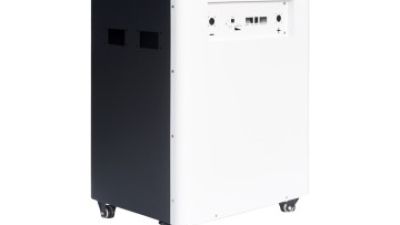
This metal equipment cabinet is produced by an experienced China factory and features a powder-coated surface designed to resist corrosion, scratches, and daily industrial wear. Its modular chassis structure supports efficient installation, maintenance, and configuration adjustments across different applications. The cabinet also incorporates an advanced heat dissipation design, helping electronic components operate smoothly and safely while reducing the risk of heat-related performance issues. These features make it suitable for factories, workshops, control rooms, warehouses, and other demanding industrial settings.
Sturdy wheels provide convenient mobility, allowing users to reposition the cabinet with less effort during equipment layout changes or maintenance work. Reliable construction, practical functionality, and consistent manufacturing quality make this cabinet a valuable choice for suppliers and industrial users seeking long-term performance. With flexible design options and dependable anti-corrosion protection, modular metal cabinets from China can support evolving equipment requirements while simplifying installation and operational management.
It stores tools, parts, hardware, and materials in demanding work areas. Rigid walls protect contents from impacts and repeated handling. Small details matter.
Steel suits heavy tools and frequent warehouse use. Stainless steel works well in damp or frequently cleaned areas. Aluminum is lighter but may bend under concentrated loads. The environment decides.
Measure usable interior space, not only outside dimensions. Handles, folded edges, and sloped walls can reduce capacity. Avoid oversized bins if workers must move them often. That choice is easy to regret.
Look for reinforced bases, stable walls, strong welds, and folded corners. Thicker metal usually resists dents but increases weight. A strong-looking bin may still have a flexible bottom. Test it with real loads.
Place the heaviest intended items inside a sample bin. Inspect the base for bending and uneven contact. Load ratings are useful guides, not absolute guarantees. Real use is messier.
Coatings can slow corrosion and improve surface wear resistance. Scratches, cut edges, and worn moving parts may still rust. Inspect damaged areas, especially in humid rooms. Do not trust appearance alone.
Comfortable handles, smooth interiors, label holders, and stackable shapes improve routine work. Ventilation holes can support airflow for materials needing dry conditions. Deep bins may hold more but hide small parts. Access matters too.
Yes, test a sample with the intended load and handling method. Check sharp corners, seam quality, lid alignment, and handle spacing. A six-month trial may reveal loose welds or distortion. My first judgment can be wrong.
Metal Storage Bins are durable, reusable containers designed to organize and protect materials in homes, workshops, warehouses, factories, and other storage environments. Their core features often include rigid metal walls, reinforced edges, secure lids or openings, stackable designs, and optional handles or compartments. Common types include open-front bins, lidded containers, nesting bins, stackable units, and mobile bins, each offering a different structure for access, capacity, and space efficiency. Steel, stainless steel, aluminum, and coated metals may be selected according to weight, corrosion resistance, and operating conditions.
Choosing the best bin requires comparing load strength, internal capacity, wall thickness, stability, and resistance to impact, moisture, heat, or frequent handling. Indoor workshops may benefit from accessible stackable bins, while humid or demanding environments require corrosion-resistant materials and protective finishes. Safe use also depends on balanced loading, secure stacking, smooth edges, and routine inspections. Regular cleaning, prompt repair of damage, and proper storage conditions can extend service life and maintain reliable performance over time.