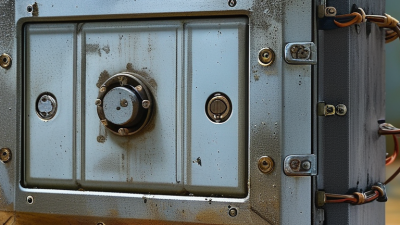
Picking out the right Metal Housing isn’t just about choosing something strong — there's a lot more to it. You’ve got to think about how it’ll actually perform in real life, the environment it'll be in, how easy it is to manufacture, and how it’ll hold up over time. I mean, a housing might look perfect on a drawing, but once it faces heat, moisture, vibrations, or heavy handling, it could end up failing. That’s why first-hand experience really counts here. Before you give the green light on a design, make sure to measure the space where it’ll be installed, check the cable routes, and confirm there’s good access for any future repairs.
Dieter Rams, the legendary industrial designer, once said, “Good design is as little design as possible.” That idea actually fits quite well when you're choosing a metal housing. The goal is to find an enclosure that protects the internals without adding unnecessary weight, cost, or complicated features. Think about materials like steel, stainless steel, or aluminum — the choice depends on how susceptible the environment is to corrosion and what kind of strength you need. Don't forget to look into details like wall thickness, mounting options, ventilation, surface treatments, and how well doors align. If you’re dealing with things like kiosks, make sure to think about public contact points, screen protection, tamper resistance, and how easy it is to keep everything clean.
And just as important is making sure your supplier is up to the task. Ask for material certificates, tolerances, prototypes, and records of quality checks. A good manufacturer should be able to walk you through how they do their cutting, bending, welding, coating, and inspections. Don't just go by shiny pictures — ask for samples and put them through their paces.
Now, let’s be real — some compromises are unavoidable. A thicker panel might be stronger, but it’ll also be heavier and more expensive to ship. A tougher coating can bump up initial costs. And choosing a cheaper design might save you money upfront, but could end up costing you more in maintenance later on. I’ve put together ten tips that help you weigh these trade-offs when making your decisions. They’re all about helping you compare suppliers honestly, spot hidden risks, and pick a metal housing that truly performs in the real world. Don’t just go with assumptions — challenge them. It’s a step a lot of folks tend to skip, but it really makes a difference.
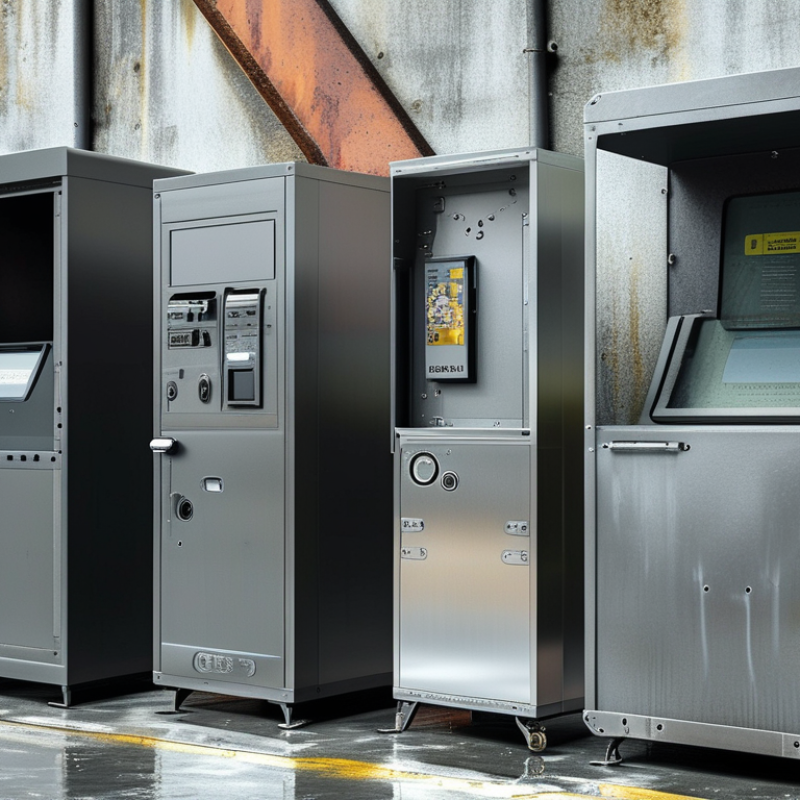
Choosing a Metal Housing starts with its job, not its finish. Will it protect a sensor, power module, or control board? That answer determines enclosure size, heat management, cable entry, and service access. Design for reality. A compact box may look efficient, yet leave no space for connectors or safe maintenance.
Outdoor equipment may face rain, dust, salt spray, vibration, and direct sunlight. IEC 60529 defines IP ratings for protection against solids and water. However, an IP code does not guarantee corrosion resistance. AMPP’s IMPACT study estimated global corrosion costs at about 3.4% of worldwide economic output, or roughly 2.5 trillion dollars annually. For coastal or chemical sites, review exposure time, cleaning agents, temperature cycles, and condensation before selecting material or coating. Do not guess.
Thermal performance also needs evidence. The housing should be tested with the equipment’s actual heat output, not an ideal laboratory load. Request test conditions, tolerances, and ingress-test records. Protection may also require electromagnetic shielding, impact resistance, fire performance, or tamper control. Use recognized test methods, and document why each requirement exists. Many specifications stop at wall thickness. That is incomplete. A neat enclosure can still fail when condensation collects behind a sealed cover. Leave room for inspection, drainage, and imperfect installation.
10 Tips for Choosing the Right Metal Housing
Select the Right Metal for Strength, Weight, and Corrosion Resistance
Choosing Housing Metal starts with the load, environment, and service life. Steel offers high stiffness and impact resistance, but its density is about 7.85 g/cm³. Aluminum weighs roughly one-third as much, according to data from the Aluminum Association. This difference matters when technicians lift a 12-kilogram enclosure onto a wall bracket. It also affects shipping, hinges, and mounting hardware.
Corrosion deserves equal attention. The NACE IMPACT study estimated global corrosion costs at about 3.4% of global gross domestic product. A coastal enclosure may face salt spray, condensation, and trapped moisture around fasteners. Stainless steel can resist these conditions, while coated carbon steel may reduce cost when coating damage is unlikely. In practice, small scratches often become large maintenance problems. I have learned that “corrosion resistant” is not a complete specification.
Strength data should match the actual design, not a generic catalog label. Check yield strength, wall thickness, forming limits, and temperature exposure. Aluminum can reduce weight, yet it may need ribs to prevent panel flexing. The International Aluminium Institute reports that recycled aluminum requires about 5% of the energy used for primary production. That supports lower-impact design, but recycled content alone does not guarantee durability. Test the finished housing with realistic vibration, fastener torque, and water exposure. A clean laboratory sample can mislead. Specification gaps remain common.
Choosing the right metal housing starts with accurate measurements, not guesswork. Record the equipment’s width, height, depth, cable bend radius, and maintenance clearance. Leave room for airflow and future components. A crowded housing may pass inspection today, then become difficult to service tomorrow.
Tip: Add usable space, not empty volume. A practical allowance of 20–30% supports wiring changes and heat management. ASHRAE TC 9.9 recommends an inlet temperature of 18–27°C for many air-cooled electronic environments. Therefore, place heat-generating parts away from sensitive controls. My experience shows that a symmetrical layout often looks efficient, but it can create hot spots near sealed panels.
Tip: Match shape to installation conditions. A shallow rectangular housing suits wall mounting, while a deeper form may protect tall components. Check the required ingress protection level under IEC 60529. For example, IP54 addresses dust protection and water splashes, but it does not guarantee resistance to immersion. The final rating depends on doors, gaskets, cable entries, and assembly quality.
Tip: Draw the internal layout at full scale. Keep power wiring separate from low-level signal wiring where possible. Include grounding points, removable panels, and tool access. The National Electrical Code provides spacing and installation requirements, but local conditions still matter. I have occasionally underestimated door swing space. That mistake is small on paper, yet expensive during installation.
10 Tips for Choosing the Right Metal Housing
Evaluate Wall Thickness, Sealing, and Structural Durability
Choosing an electronic metal housing starts with the wall thickness, but thickness alone does not guarantee protection. Thin panels may flex near mounting holes, while overly thick walls add weight and manufacturing cost. Check the material, forming method, and expected load together. A practical test is simple: press near a connector opening and inspect for visible movement. Small movement can become a problem during vibration.
Sealing deserves equal attention. Examine the gasket path, corner joints, cable entries, and fastener spacing. A gasket should compress evenly, not flatten completely. Dust and moisture often enter through poorly aligned covers rather than the main panel. Request ingress testing under conditions similar to actual use. For outdoor equipment, also review corrosion resistance and drainage details. I have seen a housing pass a bench inspection but fail after repeated temperature changes.
Structural durability depends on more than impact strength. Check hinge fatigue, screw retention, internal supports, and mounting stability. A heavy component can slowly distort a weak base. Leave room for thermal expansion and service access. Do not ignore sharp edges; they can damage cables over time. Some early designs look excellent on paper, yet practical testing reveals weak corners or uneven seals. That feedback should change the design, not be dismissed. Reliable selection comes from measured evidence, realistic loads, and documented inspection results.
| Tip | Evaluation Dimension | Practical Selection Guidance | How to Evaluate It | Potential Risk if Underspecified |
|---|---|---|---|---|
| 1 | Wall Thickness | Typical Starting Range Use approximately 1.0–1.5 mm Sheet Metal for general indoor enclosures, 1.5–2.0 mm for equipment exposed to vibration or impact, and thicker sections where large unsupported panels or heavy components are present. | Check the design load, panel span, mounting points, forming method, and allowable deflection. Confirm the minimum thickness after forming, coating, and manufacturing tolerances. | Thin walls may dent, vibrate, deform around fasteners, or fail to maintain alignment. Excessive thickness can increase weight, cost, and forming difficulty. |
| 2 | Material Selection | Select carbon steel for strength and cost efficiency, aluminum for lower weight and natural corrosion resistance, or stainless steel for demanding corrosion, hygiene, or outdoor environments. | Compare yield strength, tensile strength, density, thermal conductivity, corrosion resistance, magnetic behavior, and compatibility with the installation environment. | An unsuitable material can corrode, crack during forming, become excessively heavy, or experience galvanic corrosion when joined to a dissimilar metal. |
| 3 | Sealing and Ingress Protection | Define the required protection level before selecting the housing. A basic indoor enclosure may need protection against accidental contact and solid particles, while outdoor equipment may also require water protection. | Inspect gasket continuity, door compression, seam design, cable-entry seals, drain provisions, and latch pressure. Test the completed enclosure using the applicable ingress-protection procedure. | Poor sealing can allow dust or water to reach electrical components, causing insulation failure, corrosion, short circuits, and premature maintenance. |
| 4 | Gasket Selection | Choose a gasket material compatible with temperature, moisture, chemicals, ultraviolet exposure, and compression requirements. Closed-cell elastomers are commonly used where water resistance is important. | Confirm the gasket operating-temperature range, chemical compatibility, compression set, joint geometry, and replacement availability. Ensure the design provides uniform compression without over-compressing the seal. | Gasket hardening, swelling, tearing, or permanent deformation can create leakage paths and reduce service life. |
| 5 | Structural Stiffness | Prefer formed flanges, return edges, ribs, corner reinforcement, or internal brackets when large flat panels are required. Stiffness should be designed rather than achieved only by adding material. | Review panel deflection under expected loads, door weight, cable loads, transport forces, and vibration. Inspect whether mounting surfaces remain flat and whether the door maintains even gasket compression. | Flexible panels may resonate, loosen fasteners, distort doors, damage seals, or cause fatigue at welds and bends. |
| 6 | Fasteners and Joint Design | Use fasteners and inserts that match the base metal and expected loads. Captive hardware is useful where repeated access is required. Provide adequate edge distance and thread engagement. | Check pull-out and torque requirements, washer usage, joint preload, accessibility for tools, and resistance to loosening under vibration. Avoid placing holes too close to bends or edges. | Inadequate thread engagement or poor load distribution can strip holes, loosen joints, cause leakage, and make service access unreliable. |
| 7 | Corrosion Protection | Match the finish to the environment: dry indoor, humid indoor, coastal, industrial, chemical, or outdoor exposure. Common approaches include conversion coatings, paint systems, plating, or corrosion-resistant base metals. | Check coating thickness and adhesion, edge coverage, exposed cut edges, weld areas, drainage, and compatibility between the finish and fasteners. Consider salt-spray or environmental exposure testing when justified. | Localized corrosion can begin at scratches, seams, welds, and unprotected edges, reducing wall thickness and weakening electrical bonding points. |
| 8 | Thermal Management | Calculate heat dissipation from internal components. Use conductive mounting, heat sinks, ventilation, filtered airflow, or a separate cooling system when the enclosure temperature could exceed component limits. | Estimate total heat generation, ambient temperature, solar load, internal air volume, and allowable component temperature. Validate the design through thermal measurement under the worst credible operating condition. | Excessive internal temperature accelerates component aging, reduces battery life, causes nuisance shutdowns, and can degrade seals and coatings. |
| 9 | Impact and Vibration Resistance | Reinforce corners and mounting areas, minimize unsupported panel area, and use locking hardware or vibration-resistant joint features where transport or machinery vibration is expected. | Identify shock and vibration levels from the installation or transport environment. Inspect welds, hinges, latches, cable glands, and internal component mounts after testing or representative field trials. | Repeated vibration may cause fatigue cracks, fastener loosening, connector failure, noise, and loss of environmental sealing. |
| 10 | Grounding, Bonding, and Serviceability | Provide dedicated bonding points, reliable door bonding where necessary, accessible cable routing, replaceable seals, and sufficient clearance for inspection and maintenance. | Check continuity across removable panels and doors, verify protective-conductor connections, inspect sharp-edge protection, and confirm that components can be serviced without damaging the enclosure or gasket. | Poor bonding can create electrical-safety hazards and electromagnetic interference. Inadequate access increases maintenance time and may lead to improper reassembly. |
Note: The dimensions and ranges above are preliminary engineering guidance rather than universal requirements. Final wall thickness, sealing level, material, finish, and test methods should be confirmed against the applicable safety, environmental, electrical, and mechanical requirements of the installation.
Choosing the right metal housing starts with the heat your equipment actually produces. Check internal temperatures during continuous operation, not only during a short bench test. A sealed enclosure may protect against dust, but it can also trap heat around power supplies and processors. Leave space for airflow, thermal pads, or an external heat path. Small vents help, though they may weaken protection.
Tip 1: Measure heat at the hottest component.
Shielding requires equal attention. Metal can reduce electromagnetic interference, but gaps, seams, and poorly bonded panels may become leakage points. Use conductive gaskets where panels meet, and keep cable openings as small as practical. I have seen a housing pass an early test, then fail after a connector was added. That mistake was avoidable.
Tip 2: Test with real cables installed.
Electrical requirements should shape the housing before fabrication begins. Confirm voltage clearances, grounding paths, connector positions, and insulation needs. A painted surface can interrupt grounding if contact areas are not prepared. Check fasteners and mounting points for reliable continuity. Also consider service access. Tight compartments often make wiring difficult and increase assembly errors. Sometimes, a slightly larger housing is the safer choice. Not always the cheapest one.
Tip 3: Build a simple prototype first.
Choosing the right metal housing starts with the manufacturing method, not the appearance. Sheet metal forming suits low to medium volumes and allows quick design changes. CNC machining delivers tight tolerances, but material waste and machine time can increase costs. Die casting becomes attractive for larger quantities, although tooling requires a serious upfront investment. I have seen projects delayed because teams compared unit prices without considering tooling, setup, and inspection costs.
Finishes affect protection, appearance, and maintenance. Powder coating offers durable color and hides minor surface marks. Anodizing works well for aluminum and creates a clean, hard surface. Plating can improve conductivity or corrosion resistance, but it may require stricter process control. Test the finish on a sample first. Small color differences can become obvious across a large production run.
Customization should support function, not decoration. Consider mounting holes, ventilation slots, seals, cable paths, and access panels early. For an OEM Housing Metal design, share drawings with clear tolerances and material requirements. A supplier should explain bend limits, corner radii, and achievable surface quality. Ask for a prototype before approving production. It may expose an overlooked sharp edge or a connector that barely fits. That matters. The cheapest option is not always the most reliable, and my first estimate would not be final without reviewing volume, tolerance, and service conditions.
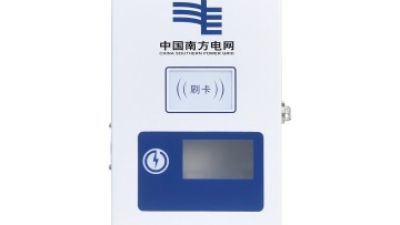
China AC charger piles are increasingly valued for their ability to deliver reliable outdoor charging in demanding environments. Constructed from SGCC metal, these units are designed to withstand rain, strong sunlight, wind, and sand without easily aging or deforming. Their IP65 protection rating helps prevent dust and water from entering the housing, protecting internal electrical components and supporting stable operation at factories, parking areas, residential developments, and commercial facilities across China.
Durability is further enhanced by a high-strength structure that resists impact and pressure. Heat-dissipation openings or integrated heat sinks help release heat during high-load operation, maintaining performance and improving operational efficiency. Standardized mounting holes and interfaces simplify installation, maintenance, and future replacement, which can reduce setup time for suppliers and project operators. Built-in safeguards against electric shock, short circuits, and other electrical risks promote safer daily use. In addition, broad compatibility with different charging ports and cables enables these AC charging piles to serve a wide range of electric vehicles, making them a practical weather-resistant solution for suppliers seeking dependable metal-cased equipment.
Choose steel when stiffness and impact resistance matter most. Choose aluminum when lifting weight matters. Aluminum weighs about one-third as much as steel. A 12-kilogram enclosure can strain one technician. Remember hinges and brackets too. Lightweight is not automatically stronger.
Check salt spray, condensation, trapped moisture, and damaged coatings. Stainless steel suits harsh coastal conditions. Coated carbon steel may reduce cost indoors. Small scratches can become serious rust points. “Corrosion resistant” is too vague. Specify the environment and service life.
Review yield strength, wall thickness, forming limits, and temperature exposure. Do not rely on a generic strength label. Thin aluminum panels may flex. Add ribs when necessary. Test vibration, fastener torque, and water exposure. A clean sample can mislead.
Measure equipment width, height, depth, cable bend radius, and maintenance clearance. Add roughly 20–30% usable space for wiring changes. Keep heat-producing parts away from sensitive controls. Leave room for airflow. Crowded boxes become difficult to repair.
Separate hot components from sensitive controls. Provide airflow paths where the design allows. Check inlet temperatures for the equipment. A symmetrical layout may still create hot spots. I have underestimated sealed-panel heat before. That mistake was expensive.
Match the rating to dust, splashes, or immersion risks. Check doors, gaskets, cable entries, and assembly quality. An IP54 design handles dust protection and water splashes. It does not guarantee immersion resistance. Seals need careful inspection.
Sheet metal forming suits low or medium volumes and quick changes. CNC machining offers tight tolerances but may create more waste. Die casting suits larger quantities with substantial tooling costs. Compare tooling, setup, inspection, and unit prices together. Unit price alone can mislead.
Request one before production approval. Check sharp edges, connector clearance, mounting holes, cable paths, and surface finish. Test realistic vibration and water exposure. A prototype may reveal an awkward door swing. That small discovery matters.
Choosing the right Metal Housing begins with a clear understanding of its purpose, operating environment, and required level of protection. Consider exposure to moisture, dust, impact, chemicals, temperature changes, and electromagnetic interference before selecting a suitable metal. The ideal material should balance strength, weight, corrosion resistance, and expected service life. You should also define the housing’s dimensions, shape, mounting points, access areas, and internal layout so that components fit securely and remain easy to install or maintain.
A reliable Metal Housing also requires careful evaluation of wall thickness, sealing methods, structural durability, heat dissipation, grounding, shielding, and other electrical requirements. Compare manufacturing options such as machining, bending, stamping, or fabrication according to production volume, precision, lead time, and budget. Finally, review surface finishes, customization possibilities, assembly needs, and long-term maintenance costs. A well-planned choice will protect internal components, improve performance, simplify production, and deliver dependable value throughout the product’s service life.