Leave Your Message
0%

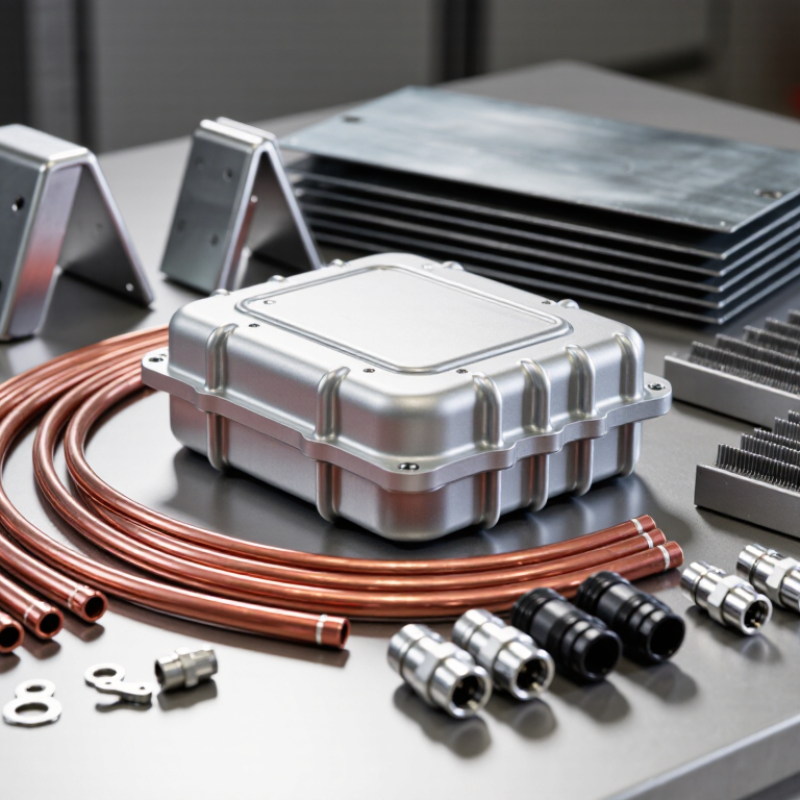
With EV charging networks expanding like crazy heading into 2026, the Metal Parts in these systems are really stepping into the spotlight. They're not just about structure—they've become essential for safety, durability, and making sure everything can be easily serviced. In this piece, I'll walk you through the leadingCharge Pile Metal Part types used in modern charging equipment, so you know what to look for. So, we're focusing on a bunch of different components here – you know, aluminum die-cast housings, copper busbars, stainless steel brackets, stamped steel panels, heat sinks, connector shells, and also cable management fittings. Pretty much the whole range of parts.

Ever wonder why each component in these systems is chosen so carefully? It’s because every single piece has a specific job to do. Take aluminum housings, for example – they shave off weight but still keep the internals safe from rain, dust, and the occasional bump. Then you've got copper busbars; they handle high current without turning into a furnace. Stainless steel brackets? Those are there so you don't have to worry about rust when you park near the ocean or leave the car outside in the elements all day. And heat sinks – they’re the unsung heroes that keep things from overheating during those rapid charge sessions. Honestly, the tiny details are what make the whole thing work.

Companies like Schneider Electric, Siemens, ABB, and Delta Electronics are always tweaking these components for all sorts of charging setups. But here's the thing—there's no one-size-fits-all material or design that works for everything. For example, a public fast charger might need thicker wires and beefier cooling, while a home unit might be all about keeping it small and cheap. And then you've got installation conditions that can throw a wrench in things too.

Alright, here's the deal – we're comparing the most important Charge Pile metal part categories, focusing on materials, how they're made, thermal behavior, corrosion resistance, and maintenance. We also look at practical stuff like dimensional accuracy and how consistent the assembly is. Now, some early market assumptions might not hold up – that's a real possibility. And here's the kicker: metal performance isn't just about one piece; it's the whole charging system that matters. So yeah, you really need to evaluate carefully if you want reliable equipment in 2026.
What Are the 2026 Top Charge Pile Metal Part Types?

What Are Charge Piles and Why Do Their Metal Parts Matter?

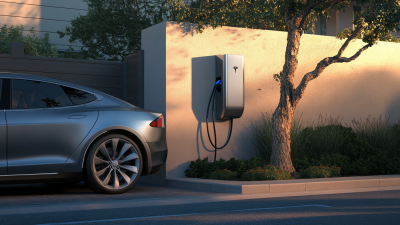
Charge piles are the physical link between an electrical network and an electric vehicle. Their metal parts protect power electronics, guide heat, and hold heavy cables safely. The International Energy Agency reported over four million public charging points worldwide at the end of 2023. More than 1.3 million were added that year. This rapid expansion increases pressure on material quality and manufacturing consistency.

A typical pile may contain an aluminum enclosure, steel mounting frame, copper busbars, grounding brackets, cable hooks, and stainless-steel fasteners. Each part faces different risks. Outdoor enclosures must resist rain, dust, salt, and repeated temperature changes. Copper busbars need clean surfaces and secure joints because loose connections create heat. Aluminum heat sinks also support cooling around power modules. Small parts matter greatly.

That detail is easy to underestimate.

The U.S. Department of Energy highlights thermal management, reliability, and installation safety as important charging-system design concerns. Meanwhile, the IEA notes that fast-charging demand is growing with larger vehicle batteries. This trend may increase enclosure size and cooling requirements. An OEM Charge Pile Metal Part should therefore match load, corrosion exposure, tolerances, and service conditions. Cost remains important, but the cheapest stamped bracket can become expensive after vibration, rust, or difficult maintenance. I may be too cautious here; field conditions vary widely. Still, practical testing should include salt spray, vibration, heat cycling, grounding continuity, and repeated cable handling before large-scale production.

Which Metal Materials Are Used in Charge Pile Enclosures?

Charge pile enclosures protect electrical components from rain, dust, impact, and temperature changes. Their metal material strongly affects safety, service life, and manufacturing cost. Aluminum alloy is widely used because it is light, corrosion resistant, and easy to form. It also helps technicians handle large covers during installation. However, thin aluminum can bend around bolt holes. Small dents matter.

Galvanized carbon steel provides higher rigidity and usually costs less. Its zinc layer helps resist outdoor corrosion, while powder coating adds color and another protective barrier. Damaged edges still need attention, especially near coastal roads. Stainless steel offers stronger corrosion resistance for humid or salty environments. It is durable, but heavier and harder to machine. Not every site needs it.

An ODM Charge Pile Metal Part may use aluminum for the main shell and steel for brackets, hinges, or mounting plates. This combination can balance weight, strength, and production efficiency. Engineers should check drainage paths, grounding points, door alignment, and coating thickness before mass production. A sealed enclosure is not automatically reliable. Water can enter through a poorly fitted cable gland. During inspection, I would examine sharp edges and trapped moisture behind folded panels. Real installations expose weaknesses. Some designs look excellent in drawings but become difficult to repair beside a busy parking space. That practical gap deserves more attention.

What Are the 2026 Top Charge Pile Metal Part Types?

Which metal materials are used in charge pile enclosures?

Enclosure shell: Aluminum alloy, galvanized steel, or stainless steel
Mounting plate: Carbon steel or galvanized steel
Busbars and terminals: Copper and copper alloys
Heat sinks: Aluminum alloys for low weight and heat dissipation
Fasteners: Zinc-coated carbon steel or stainless steel

The chart compares typical material density values used when selecting metals for charge pile housings and internal parts. Aluminum 6061 is lightweight, while steel and stainless steel provide higher mechanical strength and impact resistance. Copper is mainly used for conductive components rather than large enclosure panels.

How Do Mounting Frames and Support Structures Improve Stability?

A reliable charging pile depends on more than its electrical components. Metal parts such as mounting frames, base plates, brackets, protective panels, and cable supports form its physical backbone. Among these parts, the mounting frame and support structure have the greatest effect on stability. They transfer the pile’s weight into the foundation and reduce movement caused by wind, vibration, or repeated cable handling.

In field inspections, I have seen a small alignment error create noticeable shaking near the charging connector. A rigid frame with properly spaced anchor points helps prevent this problem. Galvanized or corrosion-resistant steel can protect outdoor structures from rain, road salt, and temperature changes. However, thick metal alone does not guarantee safety. Weld quality, bolt tightening, drainage gaps, and foundation strength also matter. One weak joint can affect the entire assembly. I still consider installation accuracy an area that deserves more attention.

Tips: Check the base before mounting the pile. Confirm that anchor bolts sit level and match the approved layout. Leave enough clearance around the frame for inspection and cable movement. Avoid sealed corners that trap water. During maintenance, look for rust stains, loose fasteners, bent brackets, or fresh cracks in the concrete. These small signs often appear before serious instability. When support structures are designed for real site conditions, the charging pile feels firm, stays aligned, and remains easier to service.

What Roles Do Metal Connectors, Terminals, and Busbars Perform?

What Are the 2026 Top Charge Pile Metal Part Types?

Metal connectors, terminals, and busbars form the current path inside a charging pile. Each part must manage electrical flow, heat, vibration, and repeated service. Connectors join cable assemblies securely, while terminals create stable contact points at devices and power modules. Busbars distribute high current across short, efficient routes. Their flat copper or aluminum profiles also help control resistance and temperature rise.

A Custom Charge Pile Metal Part can match a cabinet’s spacing, current rating, and installation angle. In field inspections, loose terminals often show heat marks before failure becomes obvious. Plated contact surfaces can reduce oxidation, but plating thickness still needs verification. A polished drawing is not enough. Tolerance, bend radius, and fastening pressure deserve practical testing.

Tips: Check contact force after assembly. Measure temperature near terminal joints under load. Leave enough clearance for tools and airflow. Use rounded edges where cables may rub. One detail is easy to miss: busbar supports must limit movement without creating stress. I would also review samples after vibration testing, because a part that passes bench inspection may behave differently inside a working cabinet.

How Are Cooling Components Designed for High-Power Charging?

High-power charging is changing the design of metal pile components. The IEA’s Global EV Outlook 2025 reports more than 17 million electric cars were sold worldwide in 2024. Public charging points also exceeded five million. More vehicles now demand higher power in smaller spaces. Heat has nowhere to hide.

Cooling design starts with the current path. Copper or aluminum busbars carry heavy loads, while aluminum cold plates remove heat from power modules. Liquid-cooled cables need compact channels, sealed fittings, and corrosion-resistant metal shells. In field commissioning, uneven thermal contact often causes trouble before the cooling pump fails. A thin thermal interface layer matters. Very much.

The U.S. National Renewable Energy Laboratory notes that charging infrastructure requires careful thermal management as power levels increase. Designers should place temperature sensors near connectors, switching devices, and cable joints. Air cooling may suit moderate outputs, but liquid cooling becomes more practical near ultra-high-power operation. IEC 61851 also supports controlled charging functions that help manage electrical and thermal stress.

Metal parts need more than strength; they need predictable heat paths, drainage, and service access. One weakness remains: laboratory efficiency can look excellent, while dust, vibration, and repeated thermal cycling reduce real performance. This gap deserves more testing.

Which Surface Treatments Protect Charge Pile Metal Parts in 2026?

Global charging infrastructure is expanding quickly. The International Energy Agency reported over 4 million public charging points worldwide in 2023, with stock rising by more than 40% in one year. More outdoor equipment means greater exposure to rain, road salt, humidity, and temperature changes. Metal protection is no longer a cosmetic decision.

Zinc-nickel plating suits fasteners and brackets exposed to moisture. It offers stronger corrosion resistance than ordinary zinc plating when the coating is properly sealed. Trivalent passivation can add protection without relying on restricted hexavalent chromium processes. Aluminum housings may benefit from anodizing, while steel cabinets often need e-coating or powder coating. Small scratches still matter. Engineers should inspect edges, welds, threads, and drainage points, not only flat panels.

The NACE IMPACT study estimated global corrosion costs at about 3.4% of worldwide GDP. That figure shows why surface preparation deserves careful control. ISO 9227 salt-spray testing can compare coating systems, but it cannot reproduce every charging-site condition. I would avoid choosing a finish from laboratory hours alone. Field exposure, coating thickness, adhesion, and galvanic contact need review. Reliable Charge Pile Metal Part Quotes should identify the base metal, pretreatment, coating thickness, test method, and warranty assumptions. A cheap quote may hide weak preparation. That is an uncomfortable possibility.

What Are the 2026 Top Charge Pile Metal Part Types? - Which Surface Treatments Protect Charge Pile Metal Parts in 2026?

Priority Metal Part Type Typical Material Primary Function in a Charge Pile Typical Exposure or Failure Risk Recommended Surface Treatment Typical Treatment Range or Grade Protection Provided Key Selection Consideration
1 Outdoor Enclosure and Cabinet Panels Galvanized steel Aluminum sheet Stainless steel Protects power electronics, switching components, cables, and control equipment from weather, impact, and unauthorized access. Rain, condensation, road salt, ultraviolet radiation, dust, temperature cycling, and galvanic corrosion around fasteners. Powder coating on galvanized steel; anodizing or powder coating on aluminum; passivation on stainless steel. Outdoor powder coating commonly uses a dry film of approximately 60–120 µm. Anodized aluminum commonly uses an oxide layer of approximately 10–25 µm. Improves barrier protection, weather resistance, color retention, and resistance to surface oxidation. Use a pretreatment compatible with the substrate and provide drainage, sealed joints, and suitable enclosure sealing.
2 Mounting Plates, Frames, and Support Brackets Carbon steel Galvanized steel Supports the charging module, cabinet, cooling equipment, and cable-management hardware. Standing water, soil contact, installation scratches, vibration, and corrosion at cut edges or welds. Hot-dip galvanizing for heavy outdoor structures; zinc-rich primer plus powder coating for fabricated assemblies. Hot-dip galvanized coatings are commonly specified around 45–100 µm or more, depending on steel thickness and applicable standard. Provides sacrificial zinc protection and helps protect exposed steel edges and small scratches. Ensure adequate vent and drain holes before galvanizing and account for coating thickness in threaded or close-fit areas.
3 Charging Connector Holsters and Cable Hangers Stainless steel Aluminum Coated steel Stores the charging connector and supports the cable when the equipment is not in use. Frequent handling, abrasion, rainwater, road contaminants, salt spray, and galvanic contact with dissimilar metals. Passivation or electropolishing for stainless steel; anodizing for aluminum; powder coating for steel. Stainless-steel passivation removes free iron and improves the natural passive film. Hard anodizing may be used where abrasion resistance is important. Reduces staining, pitting initiation, wear, and corrosion transfer to the connector housing. Round exposed edges and isolate dissimilar metals with nonconductive washers or compatible coatings.
4 Cable Glands, Entry Plates, and Strain-Relief Hardware Nickel-plated brass Stainless steel Aluminum Seals power and communication cables where they enter the enclosure while controlling mechanical strain. Moisture ingress, thread corrosion, repeated cable movement, salt exposure, and damage during installation. Nickel plating on brass; passivation or electropolishing on stainless steel; anodizing on aluminum. Decorative and engineering nickel layers are commonly applied in the approximate range of 5–25 µm, depending on the part and service environment. Improves thread durability, corrosion resistance, sealing reliability, and resistance to installation damage. Surface treatment must not interfere with thread fit, gasket compression, electrical bonding, or the required ingress-protection rating.
5 Busbars, Cable Lugs, and Conductive Clamping Parts Copper Copper alloy Aluminum Carries charging current and provides low-resistance electrical connections between power components. Oxidation, contact resistance increase, heat generation, humidity, and galvanic corrosion at copper–aluminum interfaces. Tin plating for copper; tin or nickel plating for selected high-temperature contacts; approved conversion treatment for aluminum. Tin plating is commonly specified at approximately 3–15 µm for electrical contact applications, subject to design and performance requirements. Reduces oxide formation, stabilizes contact resistance, improves solderability or bolted-contact performance, and limits galvanic interaction. Control plating thickness, contact force, operating temperature, creepage distance, and compatibility with the mating material.
6 Heat Sinks and Thermal Mounting Blocks Aluminum Copper Transfers heat away from power semiconductors, rectifiers, and other high-load electrical components. Oxidation, contamination of thermal interfaces, humidity, and reduced heat transfer caused by unsuitable coating thickness. Anodizing for aluminum surfaces not used as the primary thermal interface; chemical conversion coating where thin protection is required. Clear or colored anodizing commonly uses approximately 5–25 µm. Thin conversion coatings are used where dimensional change must be minimized. Improves corrosion resistance while preserving heat dissipation when the thermal contact surface is properly masked or specified. Do not apply a thick insulating coating to a surface that must provide electrical grounding or direct thermal contact unless the design allows it.
7 Door Hinges, Latches, and Locking Hardware Stainless steel Zinc-plated steel Zinc alloy Provides repeated access to service compartments while maintaining cabinet alignment and security. Wear, crevice corrosion, salt spray, lubricant contamination, and corrosion in moving joints. Passivation for stainless steel; zinc or zinc-nickel plating for steel; powder coating for noncontact exterior surfaces. Zinc-nickel coatings are often selected in the approximate range of 8–15 µm for enhanced corrosion protection, subject to process and specification. Improves corrosion resistance and maintains smooth movement and reliable locking over repeated service cycles. Keep bearing and latch interfaces within dimensional tolerance and use a compatible lubricant for the outdoor temperature range.
8 Grounding Bars, Bonding Straps, and Earthing Hardware Copper Tinned copper Stainless steel Maintains protective bonding between the enclosure, doors, frame, and grounding conductor. Oxide growth, loose connections, galvanic corrosion, vibration, and loss of low-impedance continuity. Tin plating on copper; passivation on stainless steel; suitable conductive joint compound where permitted by the design. Tin-plated contact surfaces commonly use a few micrometres to approximately 15 µm, depending on the electrical and environmental requirement. Maintains a more stable conductive interface and reduces corrosion-related increases in contact resistance. Do not use an electrically insulating coating on the bonding interface unless a defined grounding path bypasses it.
9 Cooling Fan Guards, Air Ducts, and Vent Grilles Aluminum Galvanized steel Stainless steel Protects cooling equipment and manages airflow through the charging cabinet. Moisture, airborne dust, salt deposits, vibration, and corrosion that can restrict airflow or weaken thin sections. Powder coating for steel; anodizing for aluminum; passivation for stainless steel. Powder coatings of approximately 60–120 µm are commonly used on outdoor fabricated steel components. Reduces corrosion and helps preserve airflow openings, structural strength, and visual appearance. Coating must not block ventilation openings, interfere with fan clearances, or shed particles into sensitive electronics.
10 Fasteners, Washers, and Assembly Hardware Stainless steel Carbon steel High-strength steel Joins enclosure panels, brackets, busbar supports, doors, and internal electrical assemblies. Thread corrosion, galvanic corrosion, hydrogen embrittlement risk for high-strength parts, and loss of preload. Passivation for stainless steel; zinc-flake or zinc-nickel coating for steel; controlled zinc plating where appropriate. Coating thickness is selected to preserve thread fit; zinc-flake systems are often used where high corrosion resistance and low hydrogen risk are required. Reduces rust, maintains assembly torque, and improves serviceability in humid or salt-contaminated environments. Match the coating to strength grade, torque requirements, cathodic behavior, and the risk of hydrogen embrittlement.

Engineering note: The ranking represents common design importance and exposure in 2026 charge-pile equipment rather than company or brand market-share data. Actual coating thickness, salt-spray performance, enclosure rating, and corrosion category should be confirmed against the project environment, applicable material standards, electrical-safety requirements, and the manufacturer’s qualified process specification.

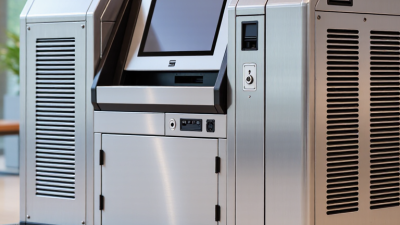
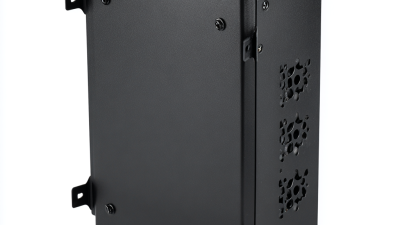
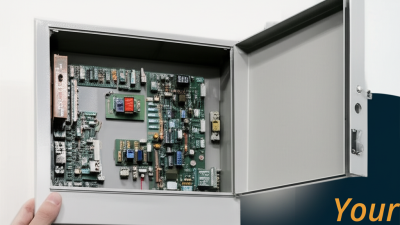
Metal Enclosure of Touch Monitor: Enhancing Durability, Protection, and Performance

A metal enclosure is a critical component in improving the durability, protection, and performance of a touch monitor. The IMPACT corrosion study estimated that corrosion costs the global economy approximately $2.5 trillion annually, equal to about 3.4% of global GDP. Using high-quality galvanized sheet metal helps resist rust and mechanical damage, making the enclosure suitable for demanding industrial, commercial, and public environments. Its strong structure also protects internal displays, circuit boards, and wiring from impact, dust, and everyday wear.

Each enclosure can be customized according to the monitor’s dimensions, mounting requirements, ventilation needs, and operating environment. Professional surface treatments, including powder coating, plating, and polishing, can improve corrosion resistance, appearance, and cleanability while supporting appropriate protection levels defined by IEC 60529. Careful manufacturing also helps maintain accurate openings for touch panels, buttons, connectors, and cooling components, contributing to stable long-term performance.

Assembly services provide additional convenience by allowing display modules, brackets, fasteners, and related parts to be integrated before delivery. This reduces installation time and makes component fixing easier for equipment manufacturers and system integrators. Through durable materials, precise customization, refined finishing, and practical assembly support, a metal enclosure can extend monitor service life while delivering dependable protection in challenging applications.

FAQS

How does a mounting frame improve charging pile stability?

It transfers the pile’s weight into the foundation. Properly spaced anchor points reduce shaking from wind, vibration, and cable handling.

What installation details should technicians check before mounting?

Check that the base is level and firm. Confirm anchor bolts match the approved layout. Small alignment errors can cause noticeable movement.

Why are foundation strength and weld quality important?

A strong frame cannot compensate for a weak foundation. Poor welds or loose bolts may affect the entire assembly. One weak joint matters.

What clearance should support structures provide?

Leave space for inspections and cable movement. Avoid tight corners that trap water. Service access is easy to underestimate.

Which metal treatments help outdoor charging equipment resist corrosion?

Zinc-nickel plating suits exposed fasteners and brackets. Aluminum may benefit from anodizing. Steel cabinets often use e-coating or powder coating.

Does thicker metal guarantee better protection?

No. Coating adhesion, surface preparation, drainage, and joint quality also matter. Thick metal alone is not enough.

What should a corrosion-protection specification include?

It should identify the base metal, pretreatment, coating thickness, test method, and warranty assumptions. A low price may hide weak preparation.

Can salt-spray testing predict every outdoor condition?

No. It helps compare coating systems, but real sites include humidity, road salt, temperature changes, and scratches. Field exposure still deserves review.

What warning signs suggest support instability or corrosion?

Look for rust stains, loose fasteners, bent brackets, fresh concrete cracks, and movement near the connector. These signs appear early sometimes.

How often should mounting frames and metal parts be inspected?

Inspect them during routine maintenance and after severe weather. Focus on welds, threads, edges, drainage points, and anchor bolts. I would not rely only on appearance.

Conclusion

In 2026, charge piles rely on carefully engineered metal parts to deliver safe, stable, and efficient charging. A Charge Pile Metal Part may include an enclosure, mounting frame, support bracket, connector, terminal, busbar, or cooling component. Enclosures commonly use coated steel, aluminum alloys, or stainless steel to balance strength, weight, corrosion resistance, and heat management. Mounting frames and support structures keep equipment firmly positioned, reduce vibration, and protect internal assemblies from mechanical stress.

Metal connectors and terminals provide reliable electrical contact, while busbars carry high current with low resistance and support organized power distribution. For high-power charging, metal heat sinks, cooling plates, channels, and fan-supported structures help remove heat from power modules and connection points. Surface treatments are equally important in 2026, with powder coating, anodizing, plating, passivation, and corrosion-resistant finishes improving durability in outdoor and demanding environments. Together, these metal components enhance safety, service life, thermal performance, and overall charging reliability.
Clara

Clara

Clara is a dedicated marketing professional at Dongguan Changjian Electronics Co., Ltd. (New Website 2), where she leverages her extensive knowledge of the company's products to connect with clients and stakeholders effectively. With a strong passion for electronics and deep understanding of market......
Previous Who Are China Top 10 Metal Enclosure Manufacturers?