When it comes to global EV charging projects, you really want enclosures that can handle the elements—think heat, rain, dust, vibrations, and the constant access for maintenance. And if you're out there comparing different manufacturers, keep in mind: a metal cabinet isn’t just a simple box. The design actually impacts a lot more than you might realize—cooling, cable routing, how easy it is to mount, resistance to corrosion, and even how long technicians spend working on-site. Honestly, those little details really do matter.
In this guide, we’ll take a look at some of the main EV charger metal enclosuremakers that global buyers might consider. The goal? Focus on real-world evidence instead of just fancy marketing claims. When talking to suppliers, ask questions like: Can they consistently produce quality Sheet Metal? Do they have controlled welding processes? Are their surface finishes tough enough to withstand the elements? And, of course, do they have clear inspection records?
It's also smart to review details like dimensions, material options, door seals, ventilation features, and how easy it is to swap out parts if needed. Sometimes, seeing a neat sample up close really helps—though, honestly, what matters most is consistent production quality.
Make sure the specs match your charger and the environment where it’ll be installed. For example, if you’re dealing with a coastal area, you’ll want better corrosion protection than you’d need for an indoor depot. Ventilation openings can help with heat, but if they’re poorly placed, dust or water might get inside and cause issues. No one manufacturer is perfect for every project, so don’t get carried away by glossy brochures. Always ask for detailed drawings, inspection reports, and production timelines—then double-check these details against what your project actually needs.
This overview is just a starting point—definitely not a replacement for a thorough technical review, but a good place to begin when researching your options.
EV Charger Metal Enclosures: Definition and Core Components
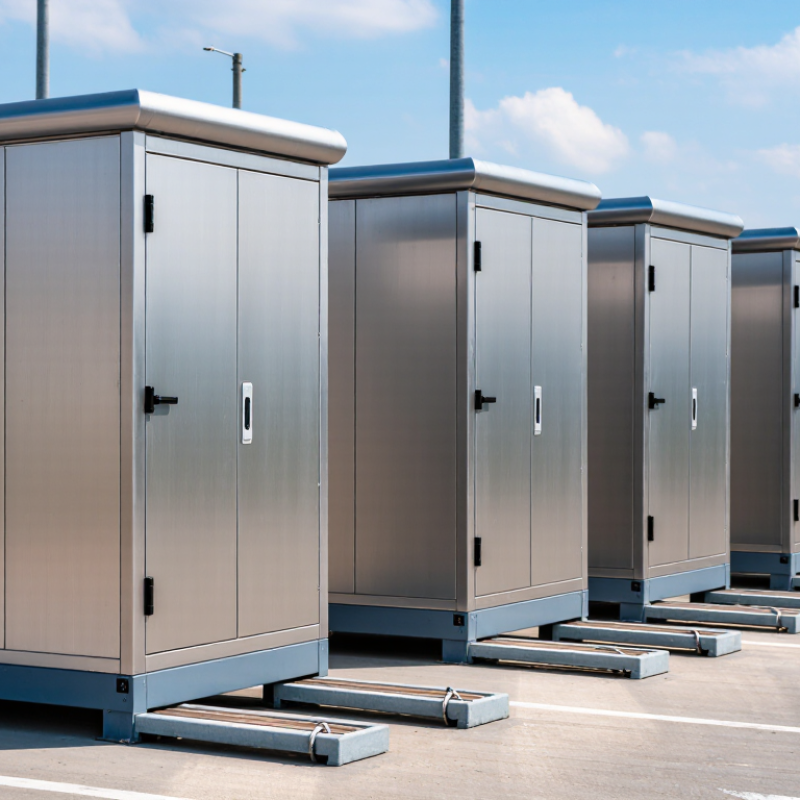
An EV charger metal enclosure is the protective housing around a charger’s electrical and control equipment. It supports components while shielding them from impact, dust, moisture, and everyday handling. It is not just a box. Its design affects heat flow, service access, cable routing, and the charger’s working life.
Core parts typically include a formed steel or aluminum shell, a door or access panel, mounting points, and openings for power and communication cables. Seals around doors and cable entries help limit water and dust, but their performance depends on assembly and maintenance. Internal brackets hold circuit boards and power modules in place. Grounding points and suitable ventilation or thermal features also matter. Details vary with the charger’s size and installation environment.
For an OEM Ev Charger Metal Enclosure, buyers should review material thickness, finish, weld quality, hinge strength, and panel alignment. Small gaps can become a real problem outdoors. A durable coating can resist corrosion, while a well-planned door makes inspection easier. Yet a sleek front can leave too little room for technicians’ hands. That trade-off deserves attention. No single layout fits every site, and enclosure specifications should match the actual equipment, exposure, and service routine.
How Enclosure Design Supports Safety and Performance
For global buyers, an EV charger enclosure is more than a metal shell. It separates energized components from people, rain, dust, and accidental impact. Formed edges, secure seams, and well-positioned cable entries help limit exposed gaps. Inside, mounting rails keep power modules stable, while adequate spacing lets technicians inspect connections without disturbing nearby parts. Grounding points should remain easy to reach, not buried behind a crowded panel. Small details matter.
Heat needs a path. Poor airflow can raise component temperatures and shorten service life, so designers should consider ventilation, internal layout, and the charger’s operating environment together. Drainage and corrosion-resistant finishes also matter, especially where cabinets face frequent rain, road spray, or salty air. A robust door seal is useful, but it should not make routine maintenance difficult. There is no perfect enclosure for every site. A compact design may save space yet leave less room for cooling or repairs; that trade-off deserves a second look. Buyers can request material details, enclosure test evidence, and checks on cable access, door operation, and thermal performance under representative conditions. A tidy drawing alone is not proof of dependable field performance.
Top EV Charger Metal Enclosure Manufacturers for Global Buyers - How Enclosure Design Supports Safety and Performance
Standardized impact resistance is one factor buyers can use to assess enclosure durability.
Impact energy values are defined by the IEC 62262 IK code scale. A higher IK rating indicates resistance to a greater specified impact; it does not, by itself, establish an enclosure’s overall safety or suitability for a particular installation.
Materials, Fabrication Methods, and Quality Standards
EV charger enclosures face rain, dust, sunlight, and repeated access by technicians. Material choice should match the installation site, not just the price sheet. Coated carbon steel offers strength and familiar fabrication options. Stainless steel can suit corrosive environments, while aluminum reduces weight and may simplify handling. Each choice has trade-offs. A heavier panel can feel reassuring, but it is not automatically better.
Fabrication details matter just as much. Consistent bends help doors sit flush and seals compress evenly. Welds should be continuous where water could enter, with sharp edges removed before coating. Drainage paths and cable openings need careful placement. Small gaps can become real problems. Powder coating needs suitable surface preparation and even coverage around corners. For outdoor units, inspect coated samples after forming, not only flat test panels.
Quality checks should follow the enclosure’s intended use. Measure panel thickness, door alignment, and mounting-hole positions. Check hinges, locks, gaskets, and bonding points on finished assemblies. Ingress protection claims should reflect testing of the complete enclosure, including its door and cable-entry features. Ask for inspection records and repeatable process controls. A sample may look excellent; production consistency is harder to judge, and deserves closer attention.
Key Criteria for Comparing Global Manufacturers
When comparing global EV charger metal enclosure manufacturers, start with the operating environment, not the catalogue photo. Ask for material and coating specifications, weld details, and enclosure ratings supported by test records. A unit installed near a coastal road faces salt, rain, and grit. It needs different protection from a cabinet used indoors. Check how cable openings, door seams, and mounting points are sealed; these small details often reveal more than a broad performance claim.
Production consistency matters just as much as design. Request sample inspection reports and ask how the factory checks dimensions, coating thickness, and door alignment across batches. A sample can look excellent while later units vary. Review prototype lead time, tooling ownership, and the process for approving design changes. For an ODM Ev Charger Metal Enclosure, confirm that drawings, heat-management needs, and service access are discussed before tooling begins. A rushed quotation is not a substitute for clear engineering communication.
Compare total delivery risk, not just unit price. Check packaging for corner protection and moisture control, then ask how defects are documented and resolved. Clarify production capacity and realistic shipping schedules with written evidence where possible. There is no perfect supplier scorecard. A lower-cost option may suit a simple installation, but hidden rework can erase the savings. Leave room for doubt, and verify the details that matter to your site.
Regional Manufacturing Capabilities and Supply Options
Regional sourcing for EV charger metal enclosures depends on more than unit price. Manufacturing regions differ in sheet-metal capacity, tooling access, coating options, and export schedules. Some suppliers can handle laser cutting, bending, welding, and powder coating under one roof; others rely on partner shops. Details matter. Ask where each process happens before comparing production dates.
East Asian manufacturing hubs often offer broad fabrication capacity and established component supply networks, though shipping distance can add time and cost. European and North American suppliers may support closer coordination and shorter transport routes for nearby buyers. Southeast Asian production options are also expanding, but capabilities vary between facilities. Lead times vary. A factory’s stated capacity does not always reflect its current workload.
When requesting Ev Charger Metal Enclosure Quotes, provide drawings, metal thickness, finish requirements, and expected annual volume. Ask for sample approval steps, packaging details, and the origin of critical parts. A small bend-radius change can affect tooling and fit, so revised drawings should be checked carefully. Not every supplier will flag a mismatch early. That is worth discussing. Compare the full supply plan, including inspection records and shipping terms, rather than choosing from a per-piece figure alone.
How Buyers Can Evaluate Suppliers and Manage Procurement
Global EV charging growth makes enclosure sourcing a capacity decision, not just a price comparison. The IEA’s Global EV Outlook 2024 reports that public charging points exceeded four million worldwide in 2023, after more than 1.3 million additions that year. Fast-charger stock grew about 55%, making supplier scalability worth checking. Ask for documented sheet-metal thickness, coating details, weld inspection criteria, and dimensional tolerances. Compare those records with a production sample, not only a polished brochure. Small details matter.
For a Custom Ev Charger Metal Enclosure, review ingress-protection and corrosion-test reports for the actual design and materials. Check airflow, cable-entry positions, grounding provisions, and access for field maintenance. Confirm who owns tooling, how design changes are approved, and whether the quoted lead time includes testing and packaging. No checklist catches everything. A low quote can become expensive after rework, yet over-specifying every feature can also waste budget. The IEA figures describe charging infrastructure, not enclosure demand forecasts; use them as market context, not a purchase-volume guarantee. Ask suppliers to clarify any gap between their test evidence and your intended operating conditions.
Conclusion
An Ev Charger Metal Enclosure is more than a protective shell: it houses and shields essential charging components while supporting safe, reliable operation in varied environments. Its design can help manage heat, resist moisture, dust, impact, and corrosion, and provide practical access for installation and maintenance. Material selection, forming, welding, coating, and inspection all influence the enclosure’s durability and fit. Buyers should also consider how manufacturers verify dimensions, finish quality, consistency, and relevant quality requirements.
When comparing global suppliers, evaluate their engineering capabilities, production capacity, customization options, lead times, communication, and ability to support different order volumes. Regional manufacturing strengths and shipping arrangements may affect cost and delivery, so assess the complete supply offer rather than price alone. A structured procurement process—covering technical specifications, sample approval, quality checks, packaging, and delivery expectations—can help buyers choose a dependable manufacturing partner and reduce sourcing risks.