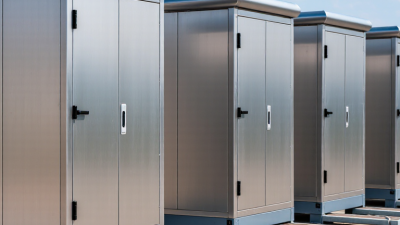
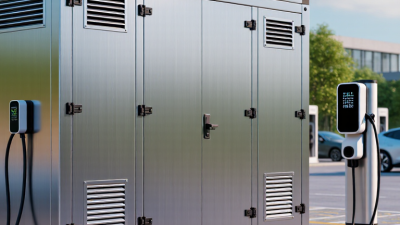
EV charging isn’t just a pilot-project thing anymore. It’s showing up on streets, at workplaces, in apartment buildings, and at logistics depots. According to the International Energy Agency’s Global EV Outlook 2025, global electric car sales passed 17 million in 2024—more than one-fifth of all new car sales. That kind of growth puts a lot more pressure on Ev Charger Metal Enclosure designs to be safer, tougher, and easier to service.
And no, the enclosure isn’t just a pretty shell. It’s what keeps cables, contactors, circuit boards, and cooling systems safe from rain, dust, impacts, and vandalism. Looking ahead to 2026, buyers will probably be weighing powder-coated carbon steel, stainless steel, aluminum, and reinforced metal-composite structures. Powder-coated steel tends to be cost-effective and gives you rigid impact protection. Stainless steel holds up well in coastal or chemically harsh spots. Aluminum cuts weight and helps with heat dissipation. Some hybrid designs mix metal frames with insulated panels, though their long-term repairability is worth a closer look.
The U.S. Department of Energy’s Alternative Fuels Data Center points to the ongoing build-out of public charging infrastructure—and the need for gear that stays reliable in all sorts of conditions. UL Solutions and IEC standards also stress enclosure integrity, electrical safety, grounding, and environmental protection. But don’t just take a marketing brochure’s word for compliance; verify it for the exact product.
Field experience teaches another lesson, too. A thick enclosure might survive a hit in a loading bay, but it can add unnecessary installation labor. A lightweight cabinet might be easier to mount, yet it may need better thermal management. There’s no universal winner here. Climate, charger power, where it’s accessed, maintenance skills, and total lifecycle cost all need to shape the decision. This guide looks at the leading EV Charger Metal Enclosure types for 2026—including their real-world strengths, weaknesses, and the trade-offs people often overlook.
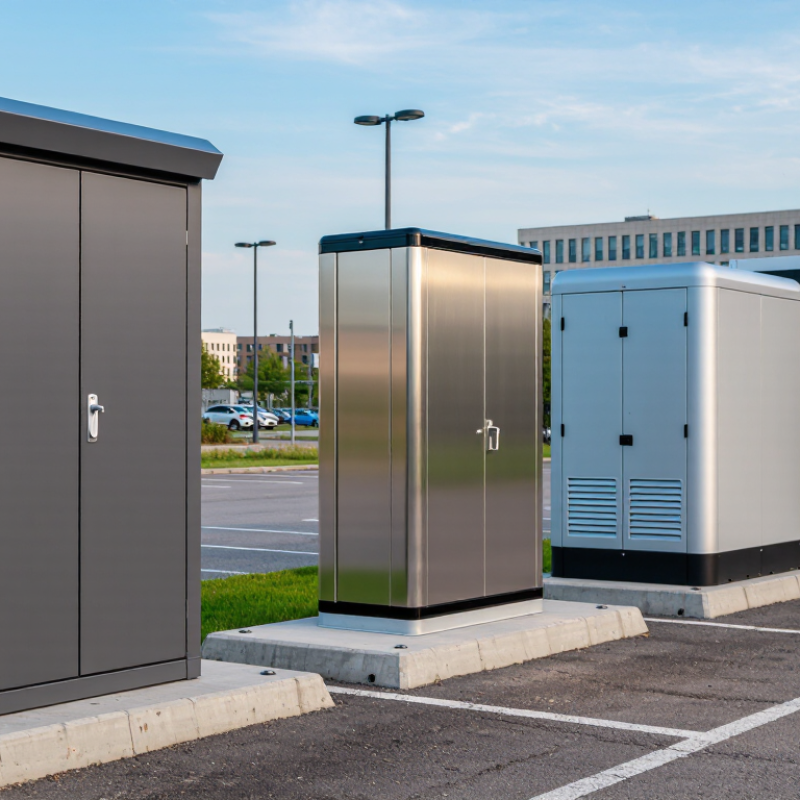
EV charger metal enclosures protect power electronics, cables, and users from rain, dust, impact, and accidental contact. In 2026, galvanized steel, stainless steel, aluminum, and hybrid metal housings remain common choices. Each type serves a different installation environment. Aluminum reduces weight and supports outdoor mounting. Stainless steel performs well near roads, coastlines, and industrial areas. Galvanized steel offers strong impact resistance at a controlled cost. Material selection should follow actual exposure, not marketing language.
The enclosure must manage heat without weakening protection against water and dust. Engineers often combine sealed joints, filtered ventilation, heat sinks, and carefully positioned air channels. Internal spacing matters. Crowded components can create hot spots around contactors and charging modules. A robust enclosure also needs reliable grounding, rounded edges, secure cable entries, and a lockable access panel. Clear separation between high-voltage sections and control wiring simplifies inspection and maintenance. Testing should reflect the expected IP rating, temperature range, vibration, and corrosion conditions.
Field experience shows that small design shortcuts become expensive later. Thin panels may rattle, distort, or lose alignment after repeated servicing. Poor drainage can trap water beneath a gasket. That detail is easy to miss. Powder coating improves durability, but damaged areas still need prompt repair. Designers should verify fastener compatibility, coating adhesion, thermal performance, and electromagnetic shielding before production. Some assumptions remain uncertain, especially when chargers operate under intense sunlight and frequent public use. A practical prototype test often reveals more than a clean computer model.
In 2026, EV charger enclosures are moving toward lighter, tougher, and more weather-resistant designs. Wall-mounted units suit garages and compact parking areas. Pedestal enclosures serve public charging spaces with frequent daily use. Material selection affects safety, service life, and installation cost.
Galvanized steel remains practical for large outdoor cabinets. Its zinc coating helps resist rain, road salt, and minor impacts. However, scratched areas can develop rust without proper touch-up protection.
Aluminum offers lower weight and natural corrosion resistance. It also improves handling during installation, but thin panels may dent easily.
Stainless steel provides strong corrosion resistance for coastal or industrial sites. The trade-off is higher material cost and greater weight. No material is perfect.
Polycarbonate and ABS plastics work well for smaller indoor chargers and protected outdoor components. They resist electrical contact and simplify molded designs. Yet prolonged sunlight can cause discoloration or brittleness if the grade is poorly selected. A reliable OEM Ev Charger Metal Enclosure should combine suitable material thickness, sealed cable entries, and controlled drainage paths.
Engineers should verify heat dissipation around power modules. They should also check grounding continuity, hinge strength, and door alignment. Small gaps matter.
During testing, technicians can expose sample enclosures to temperature cycling, moisture, dust, and impact. These checks reveal weaknesses that drawings may miss.
I have seen attractive cabinets fail because water collected beneath a gasket. Better designs use sloped surfaces, replaceable seals, and accessible fasteners.
Manufacturers should document material grades and inspection results clearly. That evidence supports purchasing decisions and improves long-term maintenance.
As public charging expands, stainless steel remains a practical enclosure choice for harsh outdoor sites. The IEA’s Global EV Outlook 2024 reported more than four million public charging points worldwide in 2023. Many are installed near roads, ports, and coastal parking areas.
A 304 stainless enclosure suits ordinary outdoor exposure. For salt air, fertilizer dust, or frequent washdowns, 316L offers stronger corrosion resistance. Its higher molybdenum content helps resist chloride attack. Still, material alone cannot protect a charger. A failed gasket can admit water behind the door. Poor drainage can trap condensation around terminals. These details matter more than a polished surface. IEC 61851 guidance also reinforces safe charging equipment design and environmental protection. For custom projects, an ODM Ev Charger Metal Enclosure should include proper bonding, cable clearance, ventilation, and service access. A cabinet that looks strong may remain difficult to maintain.
Tips: Specify an outdoor protection rating such as IP66 or NEMA 4X. Request salt-spray evidence, gasket temperature data, and weld inspection records. Check whether the door opens fully beside a vehicle. I would also test hinges and locks after repeated thermal cycling. This step is often skipped. That is a mistake. The U.S. Department of Energy’s Alternative Fuels Data Center shows continued growth in public charging infrastructure, but field conditions vary sharply. Designers should validate steel grade, coating choices, and drainage against the actual site, not a generic specification.
Chromium improves the passive corrosion-resistant layer of stainless steel, while molybdenum provides additional resistance to chloride exposure. Grade 316 is commonly selected for coastal, de-icing salt, and other harsh outdoor charging environments, while grades 304 and 430 are more suitable where chloride exposure is limited. Alloy percentages are representative minimum or nominal values from commonly specified stainless-steel compositions.
Aluminum enclosures remain a strong choice for EV chargers requiring low weight and effective heat management. Their thermal conductivity helps spread heat from power modules across the enclosure surface. This can reduce concentrated hot spots near cable terminals and switching components. Less weight matters during wall installation and transport.
Die-cast aluminum suits compact chargers with complex shapes and integrated mounting points. Extruded aluminum works well for longer housings with internal cooling channels. Sheet aluminum offers flexible sizing and easier adjustments during production.
Each type needs careful attention to wall thickness, ventilation, seals, and fastening points. Small design details matter.
In field evaluations, I look for warm zones around connectors after extended charging cycles. The outer surface should feel warm, not dangerously hot. Aluminum also resists outdoor exposure, but untreated surfaces can still corrode in harsh environments. A protective finish helps, although it cannot correct poor drainage or damaged seals. This is where designs sometimes fall short.
Not every aluminum enclosure manages heat equally. Thin walls may lower weight but reduce stiffness and impact resistance. Internal airflow can also be limited by crowded components. Engineers should test chargers under high ambient temperatures, repeated charging, and direct sunlight. Real installations are less controlled than laboratory benches.
Carbon steel remains a practical choice for EV charger enclosures in 2026. It offers strong impact resistance, stable mounting, and predictable manufacturing costs. That balance matters in parking areas, workshops, and roadside charging locations.
During field inspections, a well-finished carbon steel cabinet feels solid under hand pressure. Its doors close firmly, while protected hinges reduce alignment problems. Powder coating helps resist rain, road salt, and daily scratches. Sealed cable entries also limit dust and moisture. Small details matter. Drainage design deserves attention, too.
When comparing Ev Charger Metal Enclosure Quotes, buyers should check steel thickness, coating preparation, lock quality, and test documentation. The lowest price may hide weak hinges or poor corrosion protection. That can increase maintenance later. Carbon steel also weighs more than aluminum, creating extra handling demands during installation. I would not call it perfect. Engineers should review local weather, installation space, ventilation needs, and service access before approval. Real-world evidence matters more than attractive specifications.
In 2026, EV charger metal enclosures must withstand rain, dust, sunlight, and repeated public use. Weatherproof designs commonly use stainless steel, aluminum, or galvanized steel with sealed joints. A sloped roof helps water drain instead of pooling above the charger. Proper gaskets protect cable openings from wind-driven rain.
Vandal resistance requires more than thick metal. Reinforced doors, concealed hinges, tamper-resistant fasteners, and internal cable routing reduce damage opportunities. A Custom Ev Charger Metal Enclosure can also include impact-resistant corners and a lockable service panel. Field inspections often reveal weak points around hinges and ventilation openings. Small gaps become serious problems during winter.
No enclosure is perfect.
Tips: Check the enclosure’s IP or NEMA rating against the installation site. Inspect powder coating for scratches before mounting. Leave enough internal space for airflow, wiring bends, and future maintenance. Avoid placing vents directly below splash zones. A drain path is useful, but it must not weaken the security design. Metal thickness alone does not guarantee durability. Poor ventilation can cause heat buildup, especially under direct summer sun. Some designs look strong but remain difficult to service. That is a practical compromise worth reconsidering before production. Test doors, locks, seals, and cable clearance together, rather than separately. Reliable protection depends on the complete enclosure system.
| Enclosure Type | Typical Metal and Finish | Weatherproofing Profile | Vandal-Resistance Features | Common Protection Ratings | Best-Fit Applications | Main Advantages | Design Considerations |
|---|---|---|---|---|---|---|---|
| Powder-Coated Galvanized Steel Cabinet | Galvanized carbon steel with a corrosion-resistant powder-coat finish | Suitable for outdoor installations when seams, cable entries, roof design, and coating quality are properly engineered | Rigid panels, concealed hinges, recessed locks, protected display areas, and reinforced mounting points | Commonly designed toward IP54–IP65 and NEMA 3R–4X configurations, depending on construction | Parking areas, fleet depots, roadside charging, and commercial car parks | Strong, cost-effective, easy to fabricate, and suitable for large cabinets | Cut edges and damaged coating must be protected to prevent corrosion; thermal ventilation may be required |
| Stainless Steel 304 Enclosure | Austenitic stainless steel with brushed, satin, or polished surface treatment | Good resistance to rain, humidity, routine washing, and urban outdoor exposure | High panel rigidity, tamper-resistant fasteners, protected hinges, and lockable access doors | Often specified for IP55–IP66 and NEMA 3R–4X designs when correctly sealed | Urban streets, residential developments, office campuses, and public charging hubs | Durable appearance, strong corrosion resistance, and low dependence on painted surfaces | Generally heavier and more expensive than coated steel; surface contamination can still cause staining |
| Stainless Steel 316/316L Enclosure | Marine-grade austenitic stainless steel containing molybdenum for improved chloride resistance | Designed for severe outdoor environments, including coastal air, salt spray, and high humidity | Heavy-gauge construction, anti-tamper hardware, sealed service openings, and protected cable interfaces | Commonly designed toward IP65–IP66 and NEMA 4X applications | Coastal charging stations, ports, waterfront parking, and exposed industrial sites | Excellent resistance to chloride-related corrosion and demanding weather conditions | Higher material and fabrication cost; galvanic compatibility must be considered when using mixed metals |
| Marine-Grade Aluminum Enclosure | Aluminum sheet or extrusion with anodized, powder-coated, or marine protective finish | Naturally corrosion-resistant and effective for outdoor equipment where reduced weight is important | Thickened door panels, internal stiffeners, security locks, and recessed controls improve resistance to impact and tampering | Frequently engineered for IP54–IP66 and NEMA 3R–4X requirements | Wall-mounted AC chargers, distributed charging points, transit facilities, and rooftop or elevated installations | Lightweight, naturally corrosion-resistant, and effective at dissipating heat | Softer than steel and therefore more vulnerable to denting unless reinforced; dissimilar-metal corrosion requires attention |
| Double-Wall Outdoor Steel Enclosure | Powder-coated or stainless steel outer skin with an internal air gap and equipment mounting plate | Improves protection against solar heating, driving rain, condensation, and rapid temperature changes | Reinforced outer shell, limited access points, concealed service hardware, and separated user and service zones | Commonly configured for IP55–IP66 and NEMA 3R–4X applications | High-power DC charging, fleet operations, hot climates, and locations with direct sun exposure | Better thermal management and equipment protection than a single-wall cabinet | Larger footprint, higher weight, and additional ventilation or cooling design requirements |
| Heavy-Duty Modular Steel Enclosure | Bolted or welded steel modules with powder coating, galvanized components, or stainless panels | Scalable cabinet architecture can incorporate rain canopies, sealed cable compartments, and separate cooling zones | Impact-resistant doors, anti-pry construction, protected emergency controls, and segregated high-voltage compartments | Typically engineered around IP54–IP65 and NEMA 3R–4X targets, subject to the completed assembly | Multi-port charging plazas, bus depots, logistics centers, and utility-scale charging equipment | Flexible configuration, serviceability, high structural strength, and straightforward capacity expansion | Requires careful foundation design, lifting provisions, grounding, and corrosion control at joints |
| Pole-Mounted Metal Charger Housing | Compact aluminum, galvanized steel, or stainless steel housing with a sealed front interface | Designed to shed rain and reduce ground-level water exposure; cable glands and drainage paths are critical | Tamper-resistant screws, recessed sockets, protected displays, and elevated mounting reduce casual damage | Often specified for IP54–IP65 and impact-resistant front-panel configurations | Curbside charging, compact urban sites, apartment parking, and space-constrained locations | Small footprint, reduced installation area, and convenient cable management | Pole strength, foundation loading, accessibility, vehicle clearance, and cable snag protection must be verified |
| Recessed or Flush-Mount Metal Housing | Stainless steel or coated steel front panel integrated into a wall or charging pedestal | Reduced exposed surface area helps limit direct impact and water entry when the installation is properly flashed and sealed | Flush fasteners, concealed hinges, anti-pry edges, and minimal protrusion reduce tampering opportunities | Protection level depends heavily on the wall interface; sealed assemblies may target IP54–IP65 | Residential garages, parking structures, hotels, offices, and architecturally sensitive sites | Clean appearance, reduced projection, and improved protection against accidental impact | Requires suitable wall depth, drainage, fire stopping, maintenance access, and accurate installation detailing |
Note: IP and NEMA classifications depend on the complete enclosure assembly, including doors, gaskets, cable glands, ventilation components, drainage, and installation method. Actual performance should be verified against the applicable test standard and site conditions.
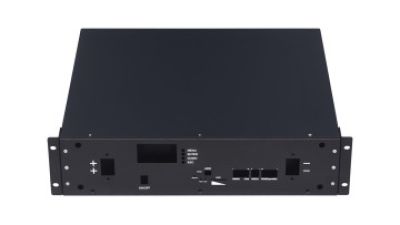
China electronic server rack metal cases with silk printing provide a dependable foundation for data centers, network equipment, and industrial control systems. Manufactured with durable metal materials, these enclosures protect motherboards, hard drives, memory modules, and other internal components from dust, liquid splashes, accidental impact, and daily operating hazards. Precise structural design also helps reduce vibration and movement, supporting stable performance and extending equipment service life. Silk printing allows clear identification of ports, switches, warning marks, and customized technical information, improving usability and professional presentation.
As a reliable supplier and factory solution, we offer server chassis with flexible internal layouts, multiple drive positions, expansion slots, and accessible mounting areas. These features simplify hardware upgrades, replacements, and maintenance while supporting different configuration requirements. Selected models include dedicated power supply units, with optional redundant power solutions available for applications that require continuous and dependable operation. Strong locking systems and reinforced panels add physical security by helping prevent unauthorized access and tampering.
For advanced applications, high-end cases can support management and monitoring interfaces that track temperature, hardware status, and power consumption remotely. Our factory-focused production process emphasizes dimensional accuracy, consistent quality, and practical customization, making these metal cases suitable for OEM and project-based orders. From enclosure structure and silk printing details to power and expansion arrangements, each solution can be adapted to meet the operational needs of suppliers, system integrators, and equipment manufacturers.
Stainless steel handles rain, road dust, and frequent outdoor exposure. It also provides strong mechanical protection.
Choose 316L for salt air, fertilizer dust, or repeated washdowns. Its molybdenum content improves chloride resistance.
No. A damaged gasket can let water enter behind the door. Poor drainage may trap condensation near terminals.
Consider IP66 or NEMA 4X protection. Check bonding, cable clearance, ventilation, drainage, and service access.
Request salt-spray results, gasket temperature data, and weld inspection records. Test hinges and locks after thermal cycling.
Aluminum is lightweight and transfers heat efficiently. This helps spread heat away from power modules and cable terminals.
Die-cast aluminum suits compact, complex housings. Extrusions support longer bodies with cooling channels. Sheet aluminum allows flexible sizing.
Yes. Thin walls reduce weight but may lower stiffness and impact resistance. Lightweight is not always better.
Test extended charging in high temperatures and direct sunlight. The surface should feel warm, not dangerously hot.
Crowded components can restrict airflow. Damaged seals and poor drainage can defeat otherwise strong materials. I might overlook these details.
In 2026, the Ev Charger Metal Enclosure is a critical part of safe, reliable, and durable charging equipment. Its main purpose is to protect electrical components from rain, dust, heat, impact, corrosion, and unauthorized access while supporting efficient installation and maintenance. Enclosure design must balance strength, thermal management, ventilation, sealing, security, and compatibility with indoor or outdoor charging environments.
Different metals offer distinct advantages. Stainless steel is well suited to harsh outdoor conditions because of its corrosion resistance and long service life. Aluminum provides a lightweight structure with effective heat dissipation, making it practical for installations where reduced weight and thermal efficiency are important. Carbon steel delivers strong mechanical protection and cost control when properly treated with protective coatings. In 2026, weatherproof and vandal-resistant designs increasingly combine sealed construction, reinforced access panels, secure locking systems, impact-resistant finishes, and thoughtful cable management. Selecting the right material and structure helps charging equipment remain dependable, maintainable, and resilient across diverse operating conditions.