Leave Your Message

Blog

7 Tips for Choosing Metal Plates

7 Tips for Choosing Metal Plates

Honestly, picking metal plates isn't just about comparing thickness – it's a practical call. You've got to think about what the plate will actually handle: the load, the environment, how it'll be fabricated, and of course, your budget. Like, a plate that's perfect for a dry indoor frame might totally fail near saltwater or if it's exposed to heat on a regular basis. Little things end up mattering a lot. So before you start shopping around suppliers, double-check the grade, dimensions, surface condition, and make sure you have the right test documentation. It's those details that can make or break your project. So, the sheer scale of the steel industry is worth knowing about, but it doesn't really give you a shortcut when you're choosing materials. The World Steel Association's 2024 report says we produced around 1,892.2 million tonnes of crude steel globally in 2023—but hey, that's the whole industry, not just plates. And if you check out what materials scientist Michael F. Ashby writes in his book, *Materials Selection in Mechanical Design*, he describes material selection as a kind of step-by-step process—first you screen, then you rank. When you're buying plate, the same idea applies: first figure out what's absolutely essential, then rank your options against what you'll actually need in the field. These seven tips should help you sort through grade, thickness, strength, corrosion resistance, fabrication, certification, and total cost. Honestly, no single spec is going to answer everything. Take thickness, for instance—just because a plate is thicker doesn't mean it'll solve a corrosion problem. It might just add extra weight. Before you place that order, run through the checklist—it’ll help you ask sharper questions, cross-check claims against the actual docs, and catch any trade-offs you might’ve missed. That said, don’t treat it as gospel. You still need to use your judgment, because a datasheet can’t capture every quirk of your project.
Read more »
Isadora By:Isadora - November 11, 2026
2026 Top Charge Pile Metal Parts Manufacturers?

2026 Top Charge Pile Metal Parts Manufacturers?

You know, as charging networks keep expanding in 2026, it's easy to focus on the big picture—but the little metal bits inside each charging pile? They deserve a second look. A Charge Pile Metal Part might be holding up a cabinet, keeping a connector secure, guiding a cable along, or shielding an electrical assembly. And honestly, small differences in fit can make a big difference—whether it's installation time or how much maintenance you're dealing with down the road. The details really do matter. If you're on the hunt for manufacturers that make fabricated metal parts for charging equipment, this guide should help. It covers everything from sheet-metal enclosures to brackets, fasteners, and precision-machined pieces. The focus is on what these suppliers can actually do, not just on flashy claims. Picking a supplier isn't just about who's got the lowest unit price, you know? You really have to dig into the details—material specs, how they form and machine parts, surface treatments, inspection routines, and whether they can actually handle the volume you need. And don't be shy: ask if they'll send sample parts, dimensional reports, and proper traceability records that tie materials back to specific production batches. A shiny catalog can be pretty impressive, sure, but it doesn't mean they can deliver consistent quality. At the end of the day, proof is what counts. So when we compare suppliers, we're also looking at things like communication, how much they can customize, how they plan deliveries, and whether they've actually worked with tough outdoor gear. That kind of stuff can tell you a lot about whether they really get what happens on the assembly line—tight spaces, cables that move around a lot, moisture, dust, you name it. Now, no manufacturer is going to be great at everything. And honestly, that can shift over time. Needs change, and just because a supplier says they can do something on paper doesn't mean that's what their factory is actually capable of right now. Sure, you can use this overview to get started, but honestly, you should double-check the specs and quality proof yourself before you commit to any partner.
Read more »
Isadora By:Isadora - November 7, 2026
Which Precision Metal Process Is Best for Buyers in 2026?

Which Precision Metal Process Is Best for Buyers in 2026?

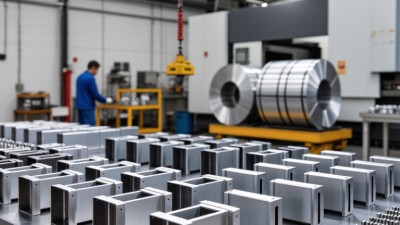
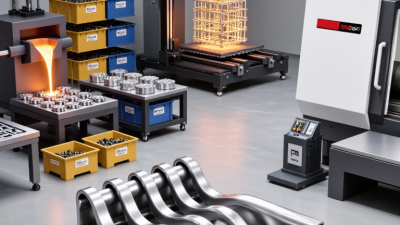
Honestly, when you're picking a precision metal process in 2026, there's no single 'best' option that works for everyone. It's more about finding the right fit for your specific part – you know, considering things like production volume, tolerances, the material you're working with, and your timeline. CNC machining is great if you have tight tolerances or only need a small batch. On the other hand, if you're doing repeat orders, stamping might be the way to go. And for things like formed enclosures or brackets, sheet metal fabrication really shines. Look, casting and metal additive manufacturing each bring their own strengths—and their own limits, too. Deming said it best: “Quality comes not from inspection, but from improvement of the production process.” That’s worth keeping in mind when you’re comparing suppliers. Sure, they can hand you a polished quote, but that doesn’t prove their process is stable. Ask the real questions: How do they control dimensions? How do they document material? What about surface finish—how do they verify it? And if the spec calls for it, request a sample part or an inspection report. At the end of the day, a pretty sales pitch isn’t the same as a reliable process. Honestly, the details are what make the call. Take a thin stainless bracket with a few bends—that’s probably a job for fabrication. But a small aluminum part with tight bores? Machining might be the better route. Of course, once you’re talking high volume, the math changes. Tooling, setup, scrap risk, finishing—all of it lands in the final price. And don’t be fooled by a low unit cost; sometimes it just means you’ll be waiting a long time. Honestly, there's no magic shortcut here. And you'd be surprised how often buyers over-specify tolerances—then end up paying for precision the part never really needed. That alone is worth a second look. In this guide, we'll walk through common manufacturing processes and the trade-offs you should actually think about before hitting 'request quote.' At the end of the day, the best process isn't the flashiest one. It's the one that meets the drawing, performs reliably, and fits the real order—not some imaginary version of it.
Read more »
Lydia By:Lydia - November 3, 2026
10 Best Metal Cabinet Suppliers for Global Buyers

10 Best Metal Cabinet Suppliers for Global Buyers

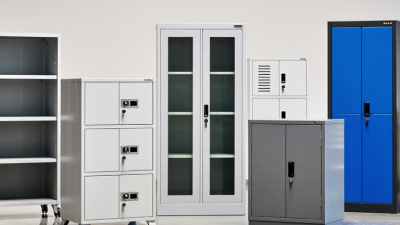
So when you're picking a Metal Cabinet supplier for an international project, it's really not just about who's got the lowest price. You've gotta dig into things like build quality, what kind of range they offer, whether they can do custom stuff, and – probably a big one – how well they handle cross-border orders. I mean, think about it: if the cabinet's going in a workshop, you need doors that won't sag, hinges that actually hold up, and a finish that can take a beating day in and day out. You know, when you're dealing with offices, healthcare facilities, or industrial spaces, the layouts and specs can be all over the map. And honestly, it's the little things that end up making a big difference. Okay, so if you're a global buyer looking for metal cabinets, this guide is pretty handy. It walks you through 10 different suppliers and gives you a bunch of practical things to keep in mind when you're checking them out. We're talking about stuff like how thick the material is, the dimensions, what locking options they have, their production capacity, how they package the units, whether they offer shipping support, and of course, warranty terms. Also, it helps you figure out the difference between standard models and made-to-order ones—that's a big deal because it can really change your lead times and final costs. But here's the thing: you shouldn't just take the supplier's word for it. You've got to verify their claims by looking at current product documents, checking out sample units, and getting written quotations. That'll save you from surprises down the road. You know, availability and service coverage can really vary depending on where you are. So just because a company operates internationally, it doesn't mean you'll get the exact same experience everywhere—honestly, it's kind of a mixed bag. Look, no list is going to be perfect. A supplier that works great for a big distribution project might be totally wrong for a small custom order, and the info you see online can leave you with a bunch of unanswered questions. So before you place an order, you really should double-check the specs directly and make sure you know who's handling any delivery issues. The whole point here isn't to crown one universal champion, but to give you a solid starting point so you can compare options and ask smarter questions.
Read more »
Clara By:Clara - October 29, 2026
What Are the 2026 Top Charge Pile Metal Part Types?

What Are the 2026 Top Charge Pile Metal Part Types?

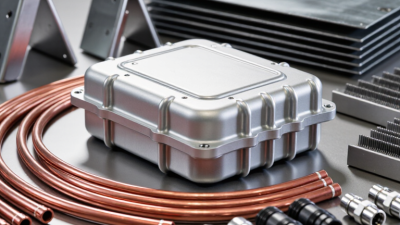
With EV charging networks expanding like crazy heading into 2026, the metal parts in these systems are really stepping into the spotlight. They're not just about structure—they've become essential for safety, durability, and making sure everything can be easily serviced. In this piece, I'll walk you through the leading Charge Pile Metal Part types used in modern charging equipment, so you know what to look for. So, we're focusing on a bunch of different components here – you know, aluminum die-cast housings, copper busbars, stainless steel brackets, stamped steel panels, heat sinks, connector shells, and also cable management fittings. Pretty much the whole range of parts. Ever wonder why each component in these systems is chosen so carefully? It’s because every single piece has a specific job to do. Take aluminum housings, for example – they shave off weight but still keep the internals safe from rain, dust, and the occasional bump. Then you've got copper busbars; they handle high current without turning into a furnace. Stainless steel brackets? Those are there so you don't have to worry about rust when you park near the ocean or leave the car outside in the elements all day. And heat sinks – they’re the unsung heroes that keep things from overheating during those rapid charge sessions. Honestly, the tiny details are what make the whole thing work. Companies like Schneider Electric, Siemens, ABB, and Delta Electronics are always tweaking these components for all sorts of charging setups. But here's the thing—there's no one-size-fits-all material or design that works for everything. For example, a public fast charger might need thicker wires and beefier cooling, while a home unit might be all about keeping it small and cheap. And then you've got installation conditions that can throw a wrench in things too. Alright, here's the deal – we're comparing the most important Charge Pile metal part categories, focusing on materials, how they're made, thermal behavior, corrosion resistance, and maintenance. We also look at practical stuff like dimensional accuracy and how consistent the assembly is. Now, some early market assumptions might not hold up – that's a real possibility. And here's the kicker: metal performance isn't just about one piece; it's the whole charging system that matters. So yeah, you really need to evaluate carefully if you want reliable equipment in 2026.
Read more »
Clara By:Clara - October 26, 2026
Who Are China Top 10 Metal Enclosure Manufacturers?

Who Are China Top 10 Metal Enclosure Manufacturers?

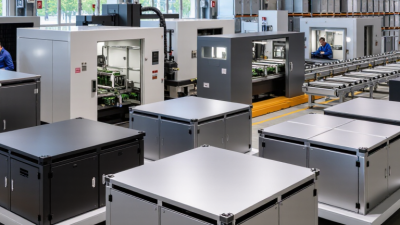
Picking China's top 10 metal enclosure manufacturers? It's not just about who has the biggest factory or ships the most. The best suppliers really know their stuff when it comes to stainless steel, aluminum, and coated steel - and they can handle cutting, bending, welding, and surface finishing with real precision. After all, their enclosures have to keep sensitive electronics safe from dust, water, vibration, heat, and corrosion. So this piece takes a look at some manufacturers—like Shenzhen Topband, Ningbo Guchen, and Zhejiang Daming—plus a few other well-established Chinese suppliers that work with industrial automation, telecom, energy, and transportation markets. It also takes into account the companies that make Ev Charger Metal Enclosure solutions — you know, the ones where cable access, thermal airflow, grounding, and vandal-resistant construction actually matter every single day. Think about it: a charger cabinet might sit out by a highway, get pounded by winter rain, and still need to open smoothly after thousands of service cycles. Uwe Scharf, an exec at Rittal, once put it well: 'The enclosure is part of the system—not just a container.' And honestly? That idea still holds up. A cheap cabinet can look like a steal, but it can get expensive fast if the hinges start loosening, the coating blisters, or the cooling design doesn't do its job. It's the little details that matter. Look, that ranking isn't set in stone. What works for one buyer might not work for another—regional capacity, certification rules, lead times, and the engineering support you actually get can all shift the best pick. And yeah, some manufacturers talk a big game about their capabilities, but when you ask for test evidence? It's pretty thin. That's a red flag. So we look at material quality, IP and NEMA ratings, customization options, how consistent production is, inspection methods, and whether after-sales support really holds up. The review also accepts a slightly uncomfortable fact: no supplier is perfect. Honestly? The right partner is the kind who’s upfront about their limitations, actually documents how things perform, and then—when real installation conditions show what’s weak—steps up and improves. That’s the one you want.
Read more »
Clara By:Clara - October 23, 2026
What Is the Best Type of Metal Storage Bin?

What Is the Best Type of Metal Storage Bin?

Choosing the best Metal Storage Bins starts with the material, not the lowest price. A bin holding steel fasteners faces different demands from one storing food-grade components, tools, or maintenance supplies. Metal thickness, coating, load rating, access design, and corrosion resistance all affect daily performance. Industry data supports this careful approach. Grand View Research’s 2024 material handling equipment analysis identifies storage efficiency, workplace organization, and durable handling systems as continuing industrial priorities. Mordor Intelligence’s 2024 warehouse automation research also links better storage design with faster picking and improved space utilization. These reports examine wider equipment markets, not every bin specification. That limitation matters. There is no universal “best” bin. It depends on location, load, movement, and exposure. A powder-coated steel bin may suit a dry workshop with labeled shelves. Stainless steel may perform better near moisture, cleaning chemicals, or strict hygiene requirements. For heavy parts, reinforced corners and tested stacking capacity deserve close attention. Small details count. A sharp rim can damage gloves. A weak handle can slow production. This guide compares common metal bin types through practical criteria, including strength, visibility, maintenance, ergonomics, and lifecycle value. It also considers guidance from organizations such as OSHA and the American Society of Mechanical Engineers, where safe handling and equipment design are relevant. Buyers should still verify manufacturer test results and site conditions. Marketing claims can sound impressive. Real performance requires evidence.
Read more »
Lydia By:Lydia - October 20, 2026
What Are the Top EV Charger Metal Enclosure Types in 2026?

What Are the Top EV Charger Metal Enclosure Types in 2026?

EV charging isn’t just a pilot-project thing anymore. It’s showing up on streets, at workplaces, in apartment buildings, and at logistics depots. According to the International Energy Agency’s Global EV Outlook 2025, global electric car sales passed 17 million in 2024—more than one-fifth of all new car sales. That kind of growth puts a lot more pressure on Ev Charger Metal Enclosure designs to be safer, tougher, and easier to service. And no, the enclosure isn’t just a pretty shell. It’s what keeps cables, contactors, circuit boards, and cooling systems safe from rain, dust, impacts, and vandalism. Looking ahead to 2026, buyers will probably be weighing powder-coated carbon steel, stainless steel, aluminum, and reinforced metal-composite structures. Powder-coated steel tends to be cost-effective and gives you rigid impact protection. Stainless steel holds up well in coastal or chemically harsh spots. Aluminum cuts weight and helps with heat dissipation. Some hybrid designs mix metal frames with insulated panels, though their long-term repairability is worth a closer look. The U.S. Department of Energy’s Alternative Fuels Data Center points to the ongoing build-out of public charging infrastructure—and the need for gear that stays reliable in all sorts of conditions. UL Solutions and IEC standards also stress enclosure integrity, electrical safety, grounding, and environmental protection. But don’t just take a marketing brochure’s word for compliance; verify it for the exact product. Field experience teaches another lesson, too. A thick enclosure might survive a hit in a loading bay, but it can add unnecessary installation labor. A lightweight cabinet might be easier to mount, yet it may need better thermal management. There’s no universal winner here. Climate, charger power, where it’s accessed, maintenance skills, and total lifecycle cost all need to shape the decision. This guide looks at the leading EV Charger Metal Enclosure types for 2026—including their real-world strengths, weaknesses, and the trade-offs people often overlook.
Read more »
Isadora By:Isadora - October 15, 2026
China Top 10 Metal Chassis Manufacturers for Global Buyers

China Top 10 Metal Chassis Manufacturers for Global Buyers

So China has become a major sourcing base for precision Metal Chassis used in servers, telecom equipment, industrial controls, and electronic devices. What makes it so attractive? Dense supplier networks, competitive labor costs, mature tooling, and easy access to aluminum, stainless steel, and coated steel processing. But here's the thing: lower pricing alone doesn't prove manufacturing strength. Grand View Research put the global sheet metal fabrication services market at roughly USD 20.3 billion in 2023. The same report sees continued growth through 2030, driven by electronics, automotive, and industrial automation demand. MarketsandMarkets also points to automation, precision forming, and lightweight materials as key trends in metal stamping and fabrication. That helps explain why global buyers keep evaluating Chinese suppliers. This guide looks at ten China-based manufacturers that serve international purchasing teams. The comparison weighs CNC machining, laser cutting, stamping, bending, welding, surface treatment, quality systems, production capacity, and export experience. Candidate companies may include Foxconn Industrial Internet, BYD Electronics, Victory Giant Technology, and other specialized chassis producers. Capabilities can vary a lot from one factory to the next. Details really matter. A polished sample can hide inconsistent tolerances, weak packaging, or limited capacity during peak seasons. Buyers should ask for recent inspection records, material certificates, PPAP-style documentation, and production photos. ISO 9001 certification is helpful, sure, but it's not a complete quality guarantee. In practice, supplier communication and process discipline often decide whether a project succeeds. So I'd treat the ranking as a practical sourcing reference, not a permanent verdict. Metal Chassis requirements change with enclosure size, IP rating, thermal design, and regulatory market. A supplier that's excellent for server racks may struggle with compact medical housings. Careful verification is still necessary.
Read more »
Clara By:Clara - October 11, 2026
How to Choose an EV Charger Metal Enclosure in 2026?

How to Choose an EV Charger Metal Enclosure in 2026?

EV charging used to feel like a niche service. These days? It's essential infrastructure. The International Energy Agency’s Global EV Outlook 2025 says global electric car sales passed 17 million in 2024. That means more than one in five new cars sold was electric. All that growth puts real pressure on charging equipment—especially on the protective housing around it. An Ev Charger Metal Enclosure has to shield electrical components from rain, dust, impact, heat, and the wear and tear of repeated maintenance. It also needs to handle cable routing sensibly, allow secure access, ventilate efficiently, and mount stably. It isn't just a steel box. It affects charger safety, service life, how fast installation goes, and whether users trust the thing. Standards like IEC 60529, IEC 62262, and UL 50E are helpful reference points for ingress protection, impact resistance, and enclosure construction. Still, compliance claims shouldn't be taken at face value—check test records, material certificates, and independent lab evidence. Small details really do matter. A door that seals poorly can leave terminals exposed after one rough winter. Thin panels might vibrate next to a busy roadway. Pick the wrong coating, and you can end up with corrosion around fasteners. No enclosure is perfect. We might also underestimate condensation, vandalism, or how hard it is for a technician to get access during emergency repairs. That's why reliable manufacturers look at local climate, charger power, installation environment, and expected service cycles before picking materials. The guide below walks through how to compare enclosure metals, protection ratings, thermal design, customization options, and supplier credibility in 2026. It's about measurable performance, not pretty claims. And that distinction matters.
Read more »
Clara By:Clara - October 7, 2026
Why Choose a Metal Chassis for Your Product?

Why Choose a Metal Chassis for Your Product?

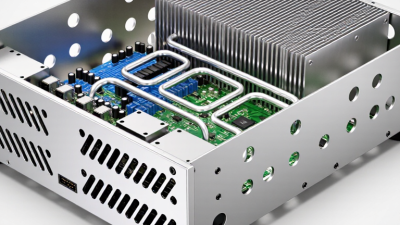
So, why pick a Metal Chassis for your product? Honestly, it’s more than just looking sleek. A well-designed metal chassis can really make a difference—protecting sensitive electronics, helping control the heat, and giving the whole product a solid, premium feel. I mean, it just feels sturdy in your hand. Plus, it tends to withstand repeated assembly, transport, and daily wear better than those thin plastic options out there. Remember what Steve Jobs once said? He pointed out that “Design is not just what it looks like and feels like. Design is how it works.” And honestly, that idea still hits home for engineers designing products today. When they’re working on a metal chassis, it’s not just about how cool it looks—it’s about making sure it supports the whole system properly. That means paying attention to wall thickness, grounding points, vents, where to put fasteners, and even how to handle electromagnetic interference. They also need to think about sharp edges, how tough the coating is, resistance to corrosion, and how tight the manufacturing specs are. Little details like these truly make a difference. And speaking of practicality, the benefits really come to light during testing. For example, a steel chassis might cut down on vibrations around the power supply, while an aluminum one could help spread heat away from the processor toward a finned surface—pretty clever stuff. Proper grounding not only keeps things safe but also protects signal quality. But here’s the thing—metal isn’t automatically the best choice for everything. It can add weight, bump up tooling costs, and make assembly trickier. If joints aren’t designed well, you might end up with rattles, repairs becoming a pain, or hotspots forming. That’s where experience really matters. Designers need to carefully weigh protection, weight, cost, how easy it is to service, and how many units they plan to make. Sometimes, going with a hybrid structure gives you the best of both worlds. All in all, this isn’t just about picking a super-strong chassis—it’s about choosing the right one for your specific needs. Doing it right comes down to real engineering know-how, not just flashy marketing promises.
Read more »
Isadora By:Isadora - October 1, 2026
Top EV Charger Metal Enclosure Manufacturers for Global Buyers

Top EV Charger Metal Enclosure Manufacturers for Global Buyers

When it comes to global EV charging projects, you really want enclosures that can handle the elements—think heat, rain, dust, vibrations, and the constant access for maintenance. And if you're out there comparing different manufacturers, keep in mind: a metal cabinet isn’t just a simple box. The design actually impacts a lot more than you might realize—cooling, cable routing, how easy it is to mount, resistance to corrosion, and even how long technicians spend working on-site. Honestly, those little details really do matter. In this guide, we’ll take a look at some of the main EV charger metal enclosure makers that global buyers might consider. The goal? Focus on real-world evidence instead of just fancy marketing claims. When talking to suppliers, ask questions like: Can they consistently produce quality sheet metal? Do they have controlled welding processes? Are their surface finishes tough enough to withstand the elements? And, of course, do they have clear inspection records? It's also smart to review details like dimensions, material options, door seals, ventilation features, and how easy it is to swap out parts if needed. Sometimes, seeing a neat sample up close really helps—though, honestly, what matters most is consistent production quality. Make sure the specs match your charger and the environment where it’ll be installed. For example, if you’re dealing with a coastal area, you’ll want better corrosion protection than you’d need for an indoor depot. Ventilation openings can help with heat, but if they’re poorly placed, dust or water might get inside and cause issues. No one manufacturer is perfect for every project, so don’t get carried away by glossy brochures. Always ask for detailed drawings, inspection reports, and production timelines—then double-check these details against what your project actually needs. This overview is just a starting point—definitely not a replacement for a thorough technical review, but a good place to begin when researching your options.
Read more »
Clara By:Clara - September 27, 2026
How to Find a Reliable Sheet Metal Fabrication Supplier?

How to Find a Reliable Sheet Metal Fabrication Supplier?

Picking a reliable supplier for Sheet Metal Fabrication isn’t just about comparing prices. Sometimes, a small thing like a weak bend, a rough edge, or a tardy delivery can throw off your whole production schedule—trust me, I’ve been there. The market’s huge, though—Fortune Business Insights estimates the global sheet metal industry hit around USD 278.8 billion in 2023, and they’re forecasting it’ll grow to about USD 397.9 billion by 2032. No question, it’s a highly competitive space. But just because the numbers are big doesn’t mean every supplier out there is reliable or worth trusting blindly. The devil’s in the details, though. You gotta ask: can they match the tolerances shown on your drawings? Find out how they verify things like hole placements, bend angles, material thickness, and the finish. Don’t settle for just shiny photos of finished parts—ask for inspection reports too. A good shop should walk you through their entire process, from where they source their materials to how they do final checks. And if they spot potential design issues early on—that’s a big plus. Honestly, those conversations can tell you a lot. Also, keep in mind reports from groups like the Fabricators & Manufacturers Association, International. Their 2024 “State of the Industry” highlights ongoing challenges like labor shortages and rising costs, which can sometimes slow down lead times or impact quality. But, trends aside, the real deal still comes down to how you verify things yourself. Check their equipment capacity, quality protocols, how well they communicate, and whether they give realistic delivery deadlines. It’s a good idea to ask for references on projects similar to yours—materials, tolerances, that kind of thing. Then, compare what they tell you against what you really need. Sometimes, a supplier might look awesome on paper but miss a tiny, yet crucial detail. So, don’t hesitate to reconsider your first pick if something feels off—that’s all part of the process.
Read more »
Lydia By:Lydia - September 24, 2026
What Are the 2026 Top Kiosk Metal Housing Suppliers?

What Are the 2026 Top Kiosk Metal Housing Suppliers?

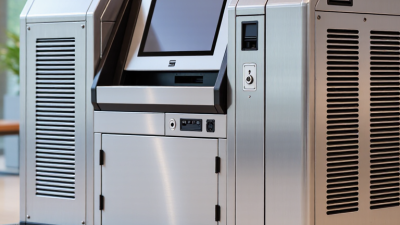
So, the kiosk market in 2026 is really heating up, and now Kiosk Metal Housing isn’t just about looking good—it’s a big deal when it comes to durability, security, how easy it is to maintain, and even how customers perceive your brand. According to Grand View Research, the global self-service kiosk market hit around USD 28.34 billion in 2023. They’re also predicting an impressive 8.9% annual growth rate from 2024 to 2030. Those numbers scream one thing: demand’s definitely on the rise. But here’s the thing—those stats don’t really tell us who the best metal housing suppliers are, and honestly, that’s pretty important. That’s a gap we shouldn’t ignore. Meanwhile, MarketsandMarkets is also expecting continued growth in interactive kiosks across industries like retail, healthcare, transportation, and public services. In these sectors, it’s not enough to just have a tough metal shell. Suppliers need to offer precise fabrication, good ventilation control, vandal-resistant finishes, smart cable setups, and a reliable production process. Frank Mayer, who's been around the kiosk scene for ages, sums it up well: “A successful kiosk isn’t just about the hardware; it’s about reliable engineering combined with a great user experience.” That’s pretty much the rule of thumb when you’re comparing different suppliers heading into 2026. For this ranking, I’m taking a down-to-earth, evidence-based approach. We’re talking material choices, manufacturing tolerances, how customizable the enclosures are, powder-coating quality, thermal design, certifications, delivery track record, and after-sales service. And hey, transparency from the supplier matters too. Having a shiny website doesn’t necessarily prove they’ve got the factory capacity or expertise. Now, I should mention that some market data is pretty broad and tends to lump everything together—public reports rarely break out Kiosk Metal Housing as a separate category. That’s a bit of a limitation, so we need to dig a little deeper. That’s why this guide’s mixing market research, hands-on manufacturing experience, supplier info, and what buyers should really be looking for. Whether a company is big or small doesn’t always tell you everything. Sometimes, a smaller specialist can offer better engineering support and faster tweaks. But of course, that all needs to be confirmed with samples, inspection reports, and references from customers to make sure you’re making the right call.
Read more »
Lydia By:Lydia - September 21, 2026
What Is Precision Sheet Metal and How Is It Used?

What Is Precision Sheet Metal and How Is It Used?

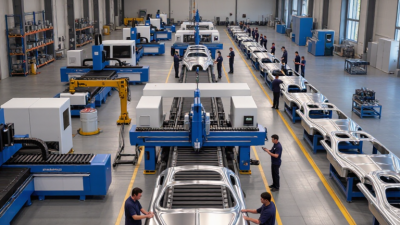
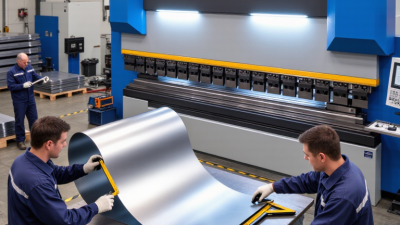
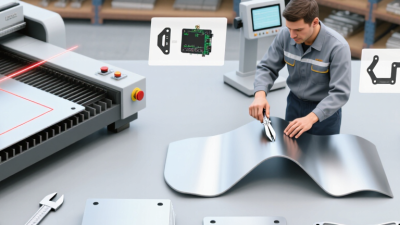
When we talk about Precision Sheet Metal, we're referring to the careful craftsmanship involved in making thin metal parts with super tight, repeatable measurements. It’s more than just cutting metal into a shape, you know? The process often includes things like laser cutting, punching, bending, welding, and finishing the surface — each step really impacts how the final piece fits together. Even tiny deviations can make a difference. In a good fabrication shop, the guys (or gals) working there don’t just jump straight into production. They actually review the drawings beforehand — double-checking material type, thickness, bend allowances, and all those tolerances. Using a laser, they might trace out a clean profile, while a press brake is used to form precise angles. An operator will also inspect hole placements and edges because even a burr can throw off assembly. To make sure everything's on point, they often measure using calipers, height gauges, and coordinate measuring machines. Keeping a record of these checks helps ensure everything is reliable and traceable. Having quality systems like ISO 9001 standards really helps tighten up the process control — but just having certification doesn’t automatically mean everything’s perfect. Precision Sheet Metal is used across all sorts of industries. For example, electronic enclosures protect sensitive circuits from dust and impacts. Medical devices need clean edges and consistent assembly to work right. Automotive parts like brackets and control panels, as well as industrial machine guards, all depend on precise fabrication. When it comes to aerospace, the standards get even higher — attention to material quality and thorough inspections are a must. The best method depends on how much you’re producing, the shape, the material, and how strict the tolerances are. A design that works great for one type of alloy might not work for another. Also, remember that materials tend to spring back after bending — it’s a detail that’s easy to overlook but can really throw off angles. So, in this article, I’ll explain how Precision Sheet Metal is actually made and where it’s most commonly used. We’ll also talk about costs, design tips, inspection methods, and some of the practical limits you might run into. Experienced manufacturers know that achieving precision isn’t just about setting the machine — it’s about following a disciplined process. Mistakes can happen, sure. But careful review and attention to detail go a long way in preventing them.
Read more »
Lydia By:Lydia - September 18, 2026